Ghaziabad’s Nidauri waste plant enters trial runs
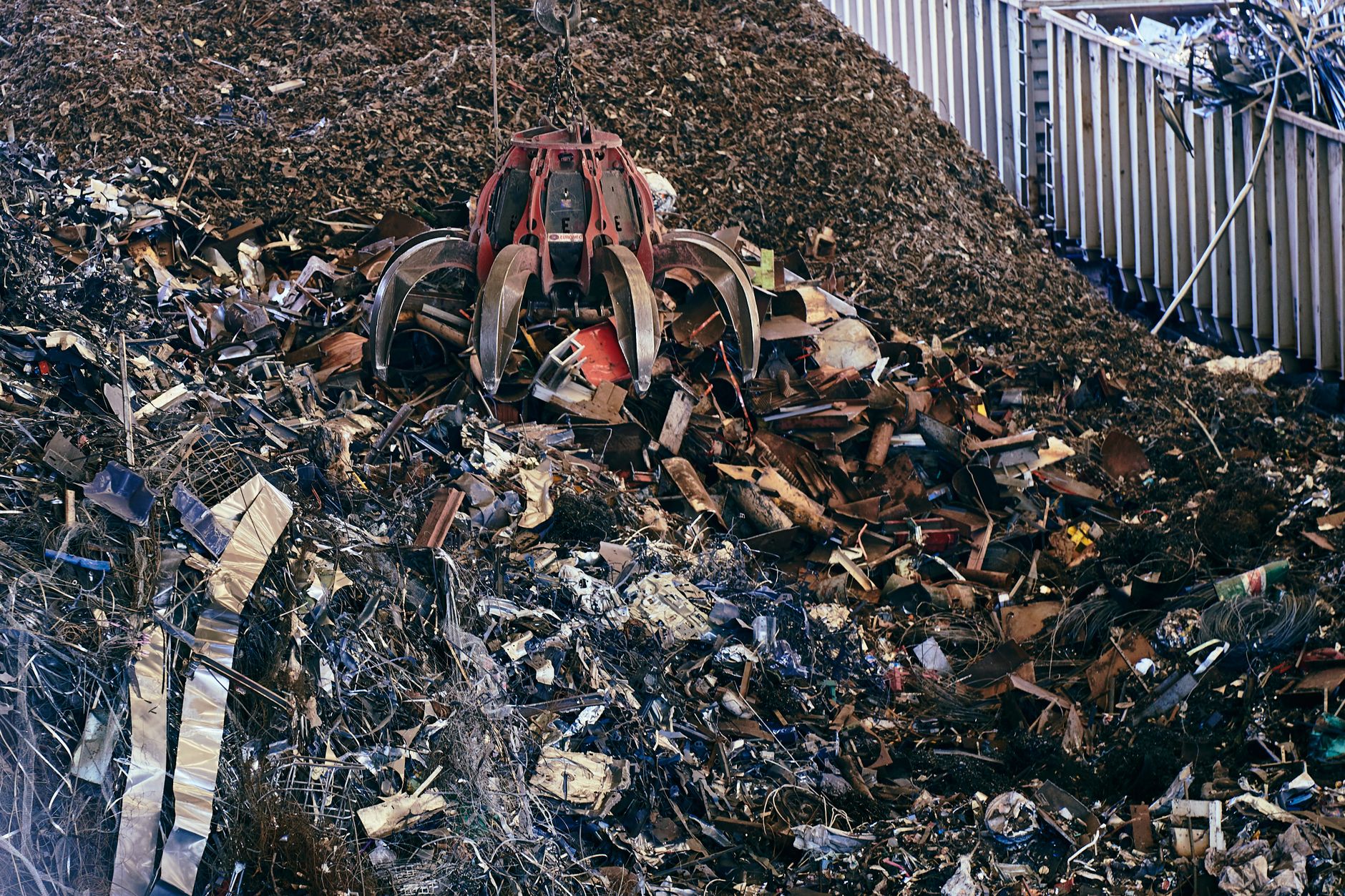
A new cluster-based facility in Nidauri is in trial runs and will take waste from Ghaziabad and nearby urban local bodies, including Khoda-Makanpur Nagar Palika.
Ghaziabad’s Nidauri plant is in trial runs and can process 1,000 to 2,000 tonnes of waste a day, including waste from nearby urban bodies.
Ghaziabad’s Nidauri waste-processing plant, spread across 45,000 sq m, is undergoing trial runs before it begins operations.
The cluster-based facility will receive municipal waste from Ghaziabad and neighbouring urban local bodies, including Khoda-Makanpur Nagar Palika. Municipal commissioner Himanshu Nagpal inspected the site on Wednesday. Its daily treatment capacity ranges from 1,000 to 2,000 tonnes, against the city’s current waste generation of about 1,400 metric tonnes a day.
The public-private partnership project has a pit-based unloading system designed to move collection vehicles through the site in sequence. It also has a drying system, 10 trommels to separate waste components, and equipment intended to produce compost and refuse-derived fuel.
A leachate-treatment system, alongside spraying and decomposition facilities, has been installed to handle liquid generated during processing. Untreated leachate can contaminate groundwater. Nagpal said the Nidauri plant would add processing capacity while the proposed waste-to-energy plant at Galand has yet to begin.
Latest stories
- Black kite rescued from live 400 kV line near Bengaluru’s Bannerghatta
- Gurugram to add 100 electric buses; Sector 48 depot to open
- Gurugram: Defence Colony lane remains dug up eight months after sewer work
- MCG proposes C&D waste centres in Pataudi, Farrukhnagar and Sohna
- Bilaspur flyover on NH-48: NHAI targets full opening by December 20
- Jakkur’s Joggers Lake Park holds plastic collection drive
- Mumbai Book Festival: Ashwin Sanghi on history, myth and thrillers
- Shillong Chamber Choir marks 25 years in Mumbai with Neil tribute album
- Thane auto-rickshaw unions call off December 1 strike
- Mumbai Sunday blocks: Thane–Vashi/Nerul locals cancelled
- Passenger reports metal bolt in vada on Bengaluru–Belagavi Vande Bharat
- Bandra residents plan protest over Metro Line 11 site office
- CSMT–Sainagar Shirdi Vande Bharat adds two-minute Manmad halt
- Bandra station marks 162 years with a weekend heritage festival
- Mumbai: Shah Rukh Khan says King let him play his age
- At Purana Qila, a pavilion built around Delhi’s low winter sun
- Sadhvi Sanjay’s 113 gives Glorious CC nine-run win over Matunga Gymkhana
- New DRMs named for Mumbai divisions of Central and Western railways
- Denmark seeks Bengaluru tech talent amid projected skills shortage
- GBA opens road-safety portal to map risky Bengaluru junctions
Cities
- Delhi news
- Gurgaon news
- Noida news
- Greater Noida news
- Ghaziabad news
- Faridabad news
- Delhi NCR news
- Bengaluru news
- Mumbai news
- Navi Mumbai news
- Thane news
Sections
- Top Stories
- Latest
- Politics
- Governance
- Civic Issues
- Transport and Traffic
- Metro
- Roads and Infrastructure
- Weather and Air Quality
- Business and Startups
- Real Estate
- Education
- Health
- Environment
- Courts and Policy
- Safety
- Arts and Culture
- Events
- Things To Do
- Food and Drink
- New Openings
- Shopping
- Nightlife
- Neighbourhoods
- People
- Technology
- Sports
GTK covers the news, people, culture, neighbourhoods, civic life and food shaping India’s cities. Better Starts With Us.