Delhi Yamuna: faecal coliform rose at three sites in September
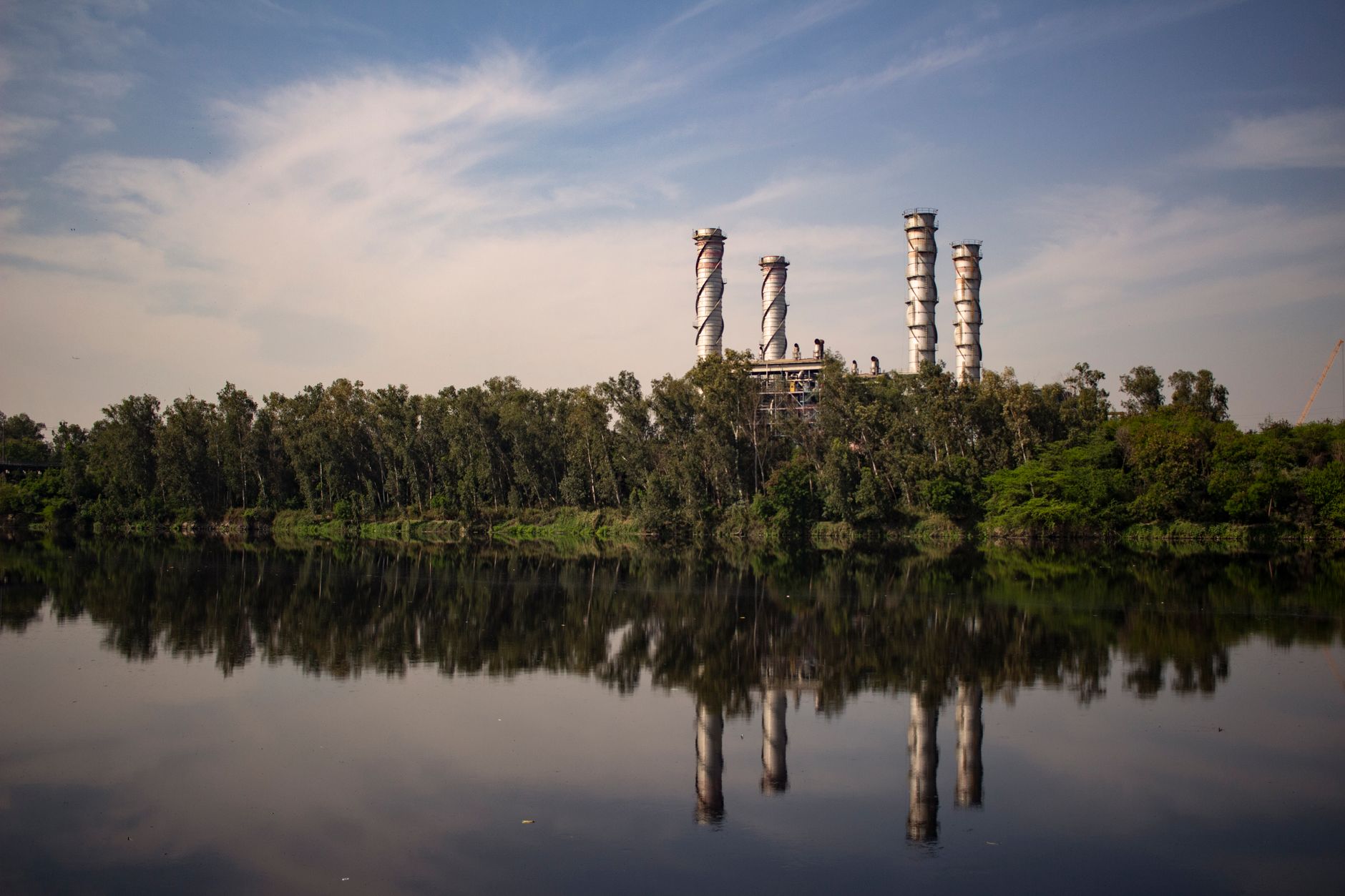
DPCC’s September sampling recorded higher faecal coliform levels at Wazirabad, Nizamuddin Bridge and Asgarpur. ISBT Bridge had the highest biological oxygen demand.
Faecal coliform readings rose from August at Wazirabad, Nizamuddin Bridge and the Yamuna at Asgarpur, based on Delhi Pollution Control Committee data. At ISBT Bridge, biological oxygen demand reached 30 mg/l against the water-quality criterion of 3 mg/l.
ISBT Bridge recorded a biological oxygen demand (BOD) of 30 mg/l in September, the highest among seven Yamuna sampling points monitored by the Delhi Pollution Control Committee (DPCC). The water-quality criterion sets a maximum BOD of 3 mg/l.
Faecal coliform levels rose at Wazirabad from 1,100 to 1,300 MPN per 100 ml between August and September. At Nizamuddin Bridge, the reading rose from 13,000 to 15,000 MPN per 100 ml, while at Asgarpur it increased from 36,000 to 38,000 MPN per 100 ml.
At Palla, faecal coliform fell from 1,400 to 1,100 MPN per 100 ml. Okhla Barrage recorded a fall from 23,000 to 21,000 MPN per 100 ml. ISBT Bridge remained at 35,000 MPN per 100 ml and ITO Bridge at 17,000 MPN per 100 ml.
DPCC also recorded high BOD and total suspended solids in wastewater from major Delhi drains.
Latest stories
- Baiyappanahalli NGEF shed to house technology museum
- Mumbai: Prince William’s lunch menu included vada pav, Parsi kheema
- Nerul’s Ramlila Ground to host three-day Igas Mahotsav from November 20
- CAQM lifts GRAP Stage III in Delhi-NCR as Delhi AQI reaches 204
- Simone Ashley wears Kanjeevaram lehenga at Mumbai Earthshot Prize
- Delhi Cabinet approves ₹1 lakh upgrade grant for 500 PUC centres
- Delhi Yamuna: faecal coliform rose at three sites in September
- Prashanth Prakash: Bengaluru’s talent edge depends on liveability
- Sheherazaad previews debut album ‘Khudgarzi’ at Bengaluru’s Middle Room
- Delhi AQI at 221; Safdarjung minimum at 14.8°C
- Gamdevi’s Turn Around sells pre-loved fashion for three causes
- Mumbai: Survey ordered for 848 acres near Sanjay Gandhi National Park
- Gurgaon’s AQI falls to 296 after six days of very poor air
- Delhi, Gurugram events on November 16: theatre, art and comedy
- At Hathi Ghat, Delhi families gather for Chhath’s evening offering
- Air India resumes non-stop Delhi flights to JFK and Newark
- Bengaluru: Lambodhara 2.0 premiere held at Forum Rex Walk
- Mandira Wirk unveils ‘Love Paradise’ resort wear in Mumbai
- Hannan’s 90th-minute header earns FC Bengaluru United 2-2 draw with Real Kashmir
- Haryana seeks weekly pollution reports from Gurugram, NCR districts
Cities
- Delhi news
- Gurgaon news
- Noida news
- Greater Noida news
- Ghaziabad news
- Faridabad news
- Delhi NCR news
- Bengaluru news
- Mumbai news
- Navi Mumbai news
- Thane news
Sections
- Top Stories
- Latest
- Politics
- Governance
- Civic Issues
- Transport and Traffic
- Metro
- Roads and Infrastructure
- Weather and Air Quality
- Business and Startups
- Real Estate
- Education
- Health
- Environment
- Courts and Policy
- Safety
- Arts and Culture
- Events
- Things To Do
- Food and Drink
- New Openings
- Shopping
- Nightlife
- Neighbourhoods
- People
- Technology
- Sports
GTK covers the news, people, culture, neighbourhoods, civic life and food shaping India’s cities. Better Starts With Us.