Delhi AQI: Why CPCB and app pollution readings differ
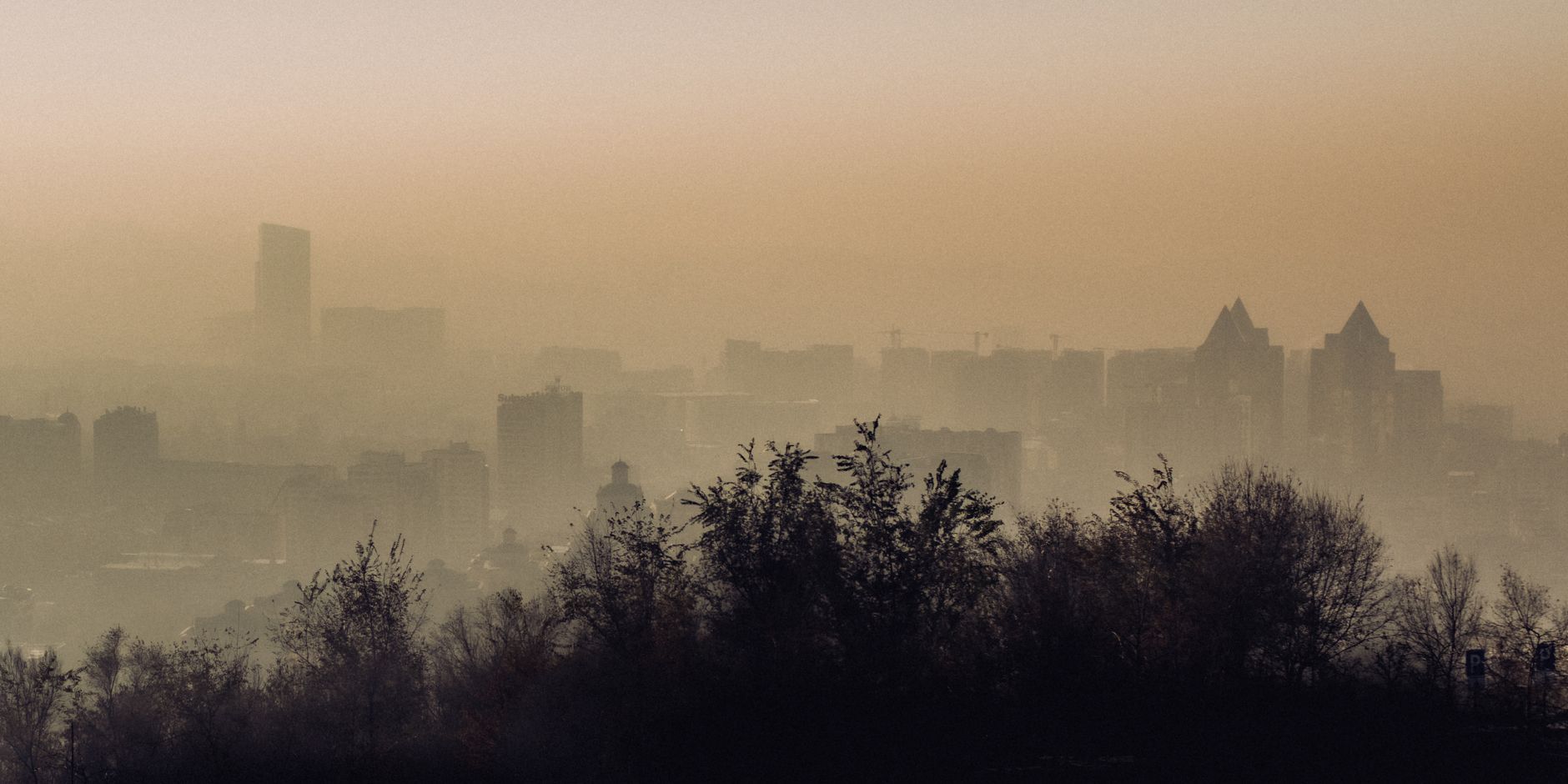
During Diwali, Delhi’s official AQI stayed below 400 while some apps showed readings between 1,500 and 1,800, reflecting different measurement methods and time windows.
CPCB’s Delhi AQI uses a 24-hour average, while some apps use shorter windows and private sensors that can capture brief local pollution spikes.
A Delhi AQI of 373 and an app reading of 1,747 can describe the same polluted day, but they are not calculated over the same period.
During Diwali, the Central Pollution Control Board’s official AQI readings remained below 400, while some apps showed readings from 1,500 to 1,800. The difference largely reflects methodology: CPCB’s AQI uses a 24-hour average, while apps may use shorter time periods that capture immediate pollution spikes.
Apps may also rely on private sensors, whose methods can vary. A high app reading may therefore reflect conditions at a specific place and moment rather than the city’s official day-long AQI.
When comparing readings, residents can check whether a number represents a 24-hour official average or a shorter, sensor-based snapshot of the air outside.
Latest stories
- Delhi AQI: Why CPCB and app pollution readings differ
- KSRTC logs more than 62,000 daily Deepavali bookings from Bengaluru
- GNIDA seeks NGO to monitor waste services in Greater Noida West
- Delhi–Meerut Namo Bharat to run 32 extra trips on Bhai Dooj
- Bengaluru Urban records 241 species in Rajyotsava Bird Count
- Delhi: DLTA to host Kia TPL North Zone junior tennis Masters
- MCG demolishes eight ready-mix concrete plants across Gurugram
- Bangalore University plans placement cells at 274 affiliated colleges
- Lord’s cricket memorabilia to go on view at MCA’s Sharad Pawar Cricket Museum
- MCG gives contractor three days to fix defects on South City 1 roads
- Himachal Bhawan Canteen in Delhi: Rs 709 meal after 40-minute wait
- AFMS opens 120 Medical Officer posts; Delhi Cantt interviews from Dec 2
- Bengaluru’s Arkavathi stretches feature in pollution assessment
- Ajay Kumar takes charge as Gurugram Metro managing director
- Mumbai University professors elected to Goethe Society of India roles
- BMC's ₹18 crore road-safety plan for 48 Mumbai sites awaits approval
- Mumbai: BMC commissioner Ashwini Bhide receives Rotary award
- Shah Rukh Khan greets fans gathered outside Mannat on his 61st birthday
- Bengaluru plans single online platform for TDR applications and trading
- Delhi border teams check vehicles during Monday rush
Cities
- Delhi news
- Gurgaon news
- Noida news
- Greater Noida news
- Ghaziabad news
- Faridabad news
- Delhi NCR news
- Bengaluru news
- Mumbai news
- Navi Mumbai news
- Thane news
Sections
- Top Stories
- Latest
- Politics
- Governance
- Civic Issues
- Transport and Traffic
- Metro
- Roads and Infrastructure
- Weather and Air Quality
- Business and Startups
- Real Estate
- Education
- Health
- Environment
- Courts and Policy
- Safety
- Arts and Culture
- Events
- Things To Do
- Food and Drink
- New Openings
- Shopping
- Nightlife
- Neighbourhoods
- People
- Technology
- Sports
GTK covers the news, people, culture, neighbourhoods, civic life and food shaping India’s cities. Better Starts With Us.