Bengaluru’s Arkavathi stretches feature in pollution assessment
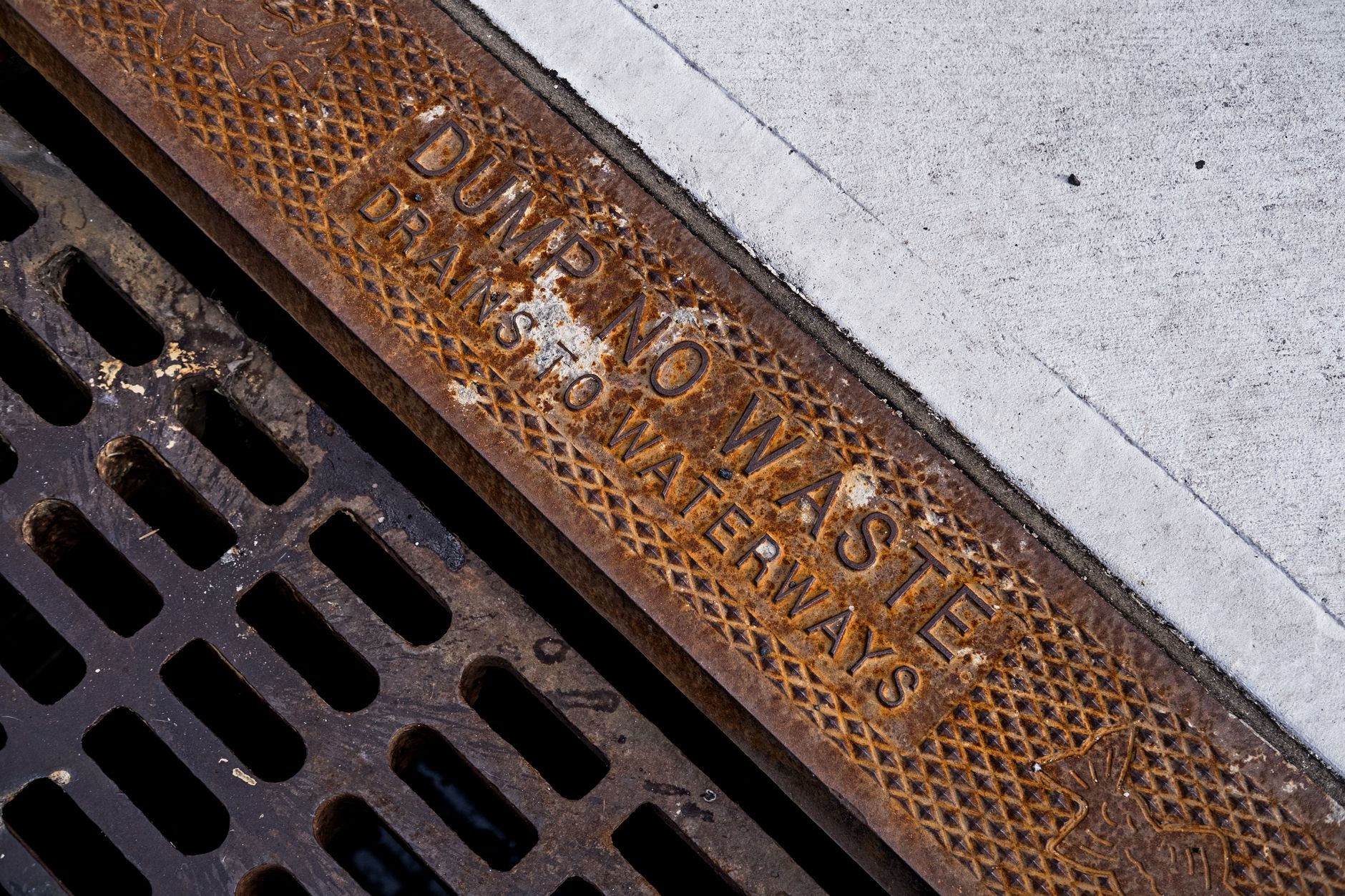
Karnataka’s August water-quality assessment found pollution at 66 monitoring locations, with Bengaluru’s identified stretches largely along the Arkavathi.
KSPCB assessed 66 locations across 14 polluted river stretches in August, recording high biochemical oxygen demand and faecal-coliform levels at several points.
Bengaluru’s rajakaluves are carrying sewage into lakes, while most of the city’s identified polluted river stretches lie along the Arkavathi, a Karnataka State Pollution Control Board official said.
The board’s August 2026 assessment covered 66 monitoring locations across 14 polluted stretches in Karnataka. It recorded high biochemical oxygen demand and faecal-coliform counts at several locations. High oxygen demand leaves less dissolved oxygen for aquatic life, while faecal contamination can indicate the presence of disease-causing pathogens.
Hydrogeologist KC Subhash Chandra said natural drains have become conduits for sewage from residential areas. Water conservation expert Vishwanath S said domestic sewage is larger in volume, while industrial effluents can have a greater impact.
The pollution board said action plans exist for all identified stretches, but gaps in underground drainage, funding constraints and coordination among urban local bodies and panchayats have slowed work. It said it expects phased sewage-treatment and drainage works, prioritising Bengaluru along with Mysuru and Mangaluru, to be completed over the next two years.
Latest stories
- Bengaluru’s Arkavathi stretches feature in pollution assessment
- Ajay Kumar takes charge as Gurugram Metro managing director
- Mumbai University professors elected to Goethe Society of India roles
- BMC's ₹18 crore road-safety plan for 48 Mumbai sites awaits approval
- Mumbai: BMC commissioner Ashwini Bhide receives Rotary award
- Shah Rukh Khan greets fans gathered outside Mannat on his 61st birthday
- Bengaluru plans single online platform for TDR applications and trading
- Delhi border teams check vehicles during Monday rush
- NDMC doubles parking fees during GRAP-II; MCD rates stay unchanged
- Delhi free-flow toll system misses deadline; queues continue at Ghazipur
- Aarey foundation works with Adivasi communities on forest livelihoods
- Four art, craft and comedy stops across Delhi-NCR on November 9
- Karnataka to use common I PU annual exam papers from 2027
- Delhi Metro commuters spotted reading books across five lines
- Delhi AQI at 376 on Diwali; 19 stations in severe category
- Mumbai Aces Football League: Hybec win 4-2; Encore remain unbeaten
- IIT Delhi tops Indian universities in QS Asia rankings, placed 66th
- Mulani sees spin opening at Brabourne as Mumbai defend 396 against Railways
- Mumbai Aqua Line adds 46 weekday trips, cuts peak gap to 4 minutes
- Divaale Koliwada boys build Diwali mud fort from red soil and stone
Cities
- Delhi news
- Gurgaon news
- Noida news
- Greater Noida news
- Ghaziabad news
- Faridabad news
- Delhi NCR news
- Bengaluru news
- Mumbai news
- Navi Mumbai news
- Thane news
Sections
- Top Stories
- Latest
- Politics
- Governance
- Civic Issues
- Transport and Traffic
- Metro
- Roads and Infrastructure
- Weather and Air Quality
- Business and Startups
- Real Estate
- Education
- Health
- Environment
- Courts and Policy
- Safety
- Arts and Culture
- Events
- Things To Do
- Food and Drink
- New Openings
- Shopping
- Nightlife
- Neighbourhoods
- People
- Technology
- Sports
GTK covers the news, people, culture, neighbourhoods, civic life and food shaping India’s cities. Better Starts With Us.