A year after the GBA rollout, Bengaluru has 369 wards but the old service network
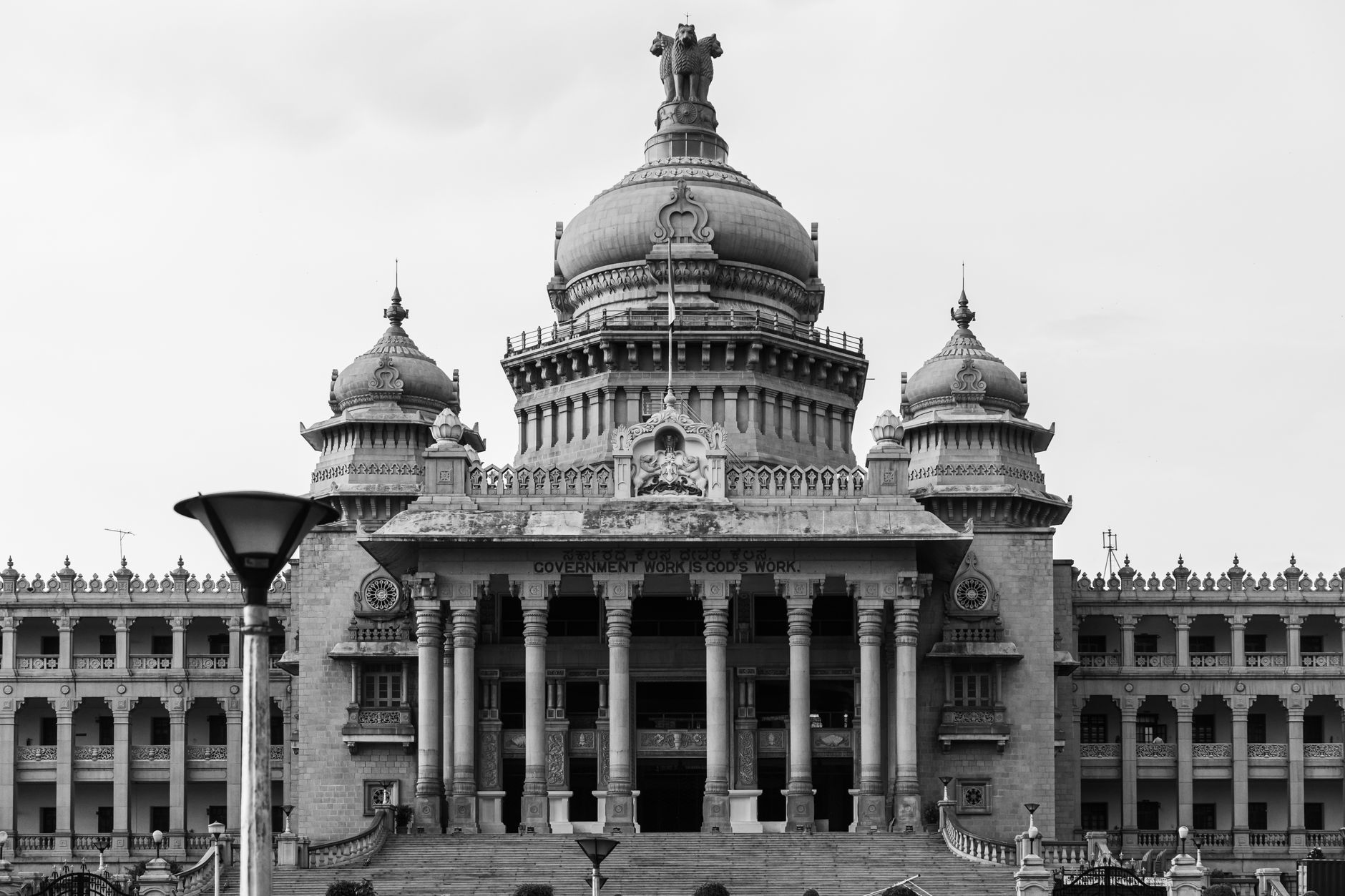
The Greater Bengaluru Authority’s five-corporation structure has added 171 wards, while staffing, local facilities and elected ward-level representation remain incomplete.
Bengaluru’s civic map expanded from 198 to 369 wards after the Greater Bengaluru Authority replaced the BBMP with five city corporations. A year later, the new wards are still largely served by the workforce and facilities built for the earlier system, while vacancies stand at about 40%.
Bengaluru now has 369 wards, up from 198 under the former BBMP, but many of the services residents rely on are still organised for the smaller civic map.
A year after the Greater Bengaluru Authority (GBA) and its five city corporations took over, there has been no matching expansion of ward offices, primary health centres or Indira Canteens. The corporations are also working largely with staff deployed for the old 198-ward arrangement, with vacancies at around 40%.
The restructuring was intended to decentralise administration and bring responses closer to neighbourhoods. Residents continue to report gaps in waste collection, garbage blackspots, potholes and citizen services, alongside concerns over funding and execution.
GBA sources said coordination at the senior level and frequent meetings have helped move some delayed civic and infrastructure projects. But the corporations’ anticipated revenue streams — advertising, premium FAR and B-Khata to A-Khata conversions — have not substantially changed their capacity.
Elections are overdue, and councillors and ward committees are yet to be put in place. Key planning institutions also remain pending, including the Economic Development Agency and the Bengaluru Metropolitan Planning Committee, as GTK reported.
Latest stories
- Delhi’s last red DTC bus withdrawn for scrapping after 15 years
- GMDA hires consultant to link recycled-water pipelines in Gurugram
- Railway Board sanctions trains for Bengaluru Pink Line’s elevated section
- Khalin Joshi takes six-shot lead at Bengaluru Open halfway stage
- MCG gives 24 hours to clear debris from Gurugram public spaces
- Mumbai: S. J. Poddar Academy Grade 6 students curate Zoographia
- Marsh crocodile rescued from 8-foot electricity duct at Aarey Metro complex
- Western Railway says Mumbai division collected 5.2 tonnes in cleanliness drive
- Over 1,000 students exhibit work at Bengaluru children’s biennale
- Delhi to set up 110 collection centres for old and damaged idols
- Mumbai: Nani says The Paradise makers expected an A certificate
- Niranjan Hiranandani shows six-storey Malabar Hill home Kanta
- Mumbai chocolatier makes 75kg chocolate Ganesha idol for Pune
- Heavy vehicles barred on Varthur-Gunjur SH-35 during peak hours
- CSMT inspection: PAC seeks wider north-side entry for evening rush
- Bengaluru Airport T2 hosts ten-day Odia food festival
- Delhi sets up 78 artificial ponds for Ganpati visarjan
- Mahapanchayat backs Gurgaon road-collision accused; biker calls it an attempt to shift the narrative
- Bengaluru Cantonment station redevelopment expected by December 2026
- Railways approves ₹497 crore to double Chouk–Karjat line
Cities
- Delhi news
- Gurgaon news
- Noida news
- Greater Noida news
- Ghaziabad news
- Faridabad news
- Delhi NCR news
- Bengaluru news
- Mumbai news
- Navi Mumbai news
- Thane news
Sections
- Top Stories
- Latest
- Politics
- Governance
- Civic Issues
- Transport and Traffic
- Metro
- Roads and Infrastructure
- Weather and Air Quality
- Business and Startups
- Real Estate
- Education
- Health
- Environment
- Courts and Policy
- Safety
- Arts and Culture
- Events
- Things To Do
- Food and Drink
- New Openings
- Shopping
- Nightlife
- Neighbourhoods
- People
- Technology
- Sports
GTK covers the news, people, culture, neighbourhoods, civic life and food shaping India’s cities. Better Starts With Us.