Old Delhi’s Gali Godoya ends at a katra with no known name origin
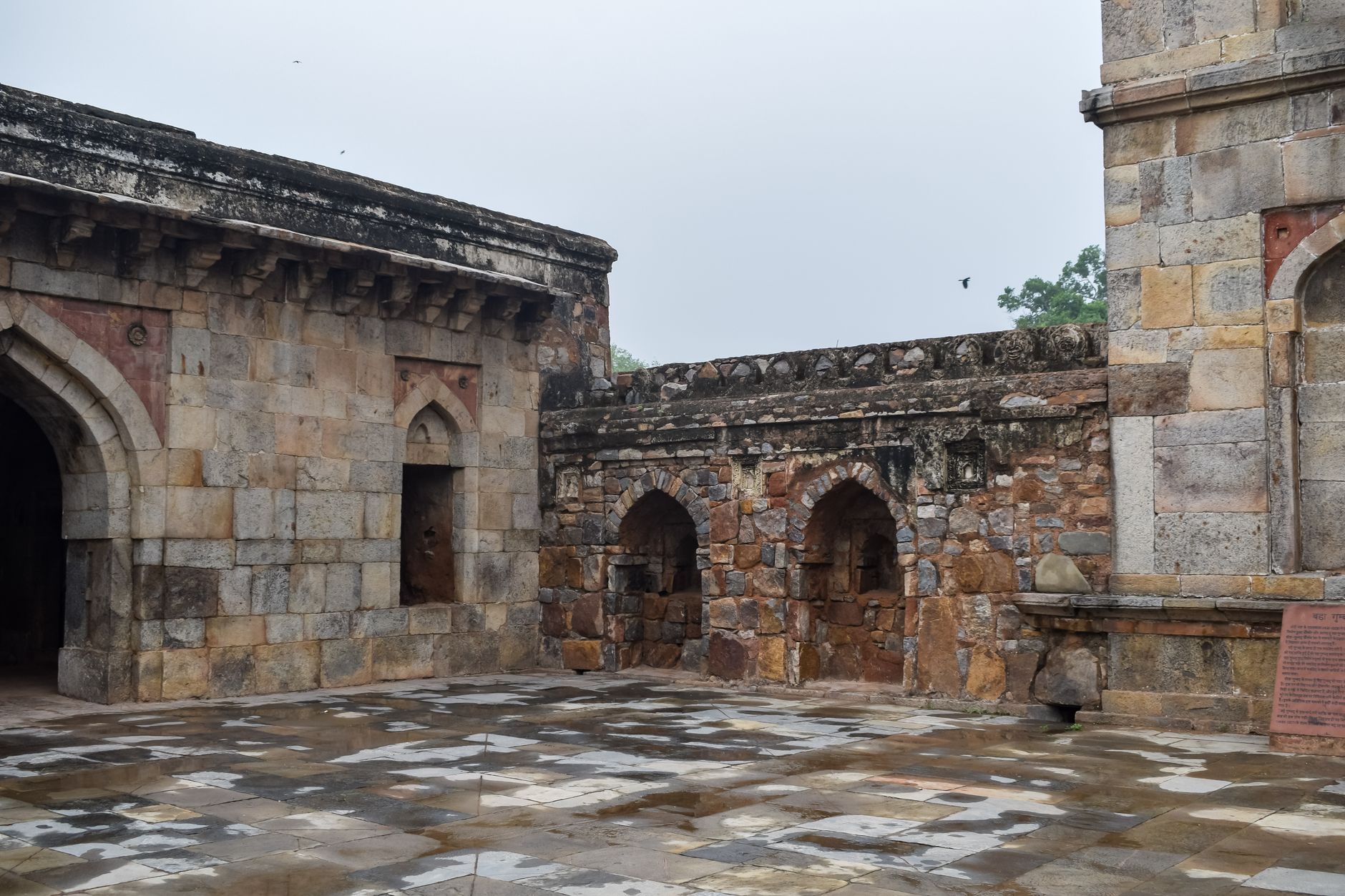
Gali Godoya ends at a residential katra near Chawri Bazar, where residents say they do not know how the lane got its name.
At the end of Old Delhi’s Gali Godoya, Lakshmi takes a longer route through Gali Chooriwallan to reach the building beside her home.
Lakshmi leaves her home at the end of Gali Godoya, walks through Gali Chooriwallan and enters a building on Chawri Bazar through its main gate. The building stands beside her courtyard, but there is no direct entrance from the gali.
Lakshmi cooks there twice a day. Her mother-in-law had worked there before her, and Lakshmi took over the job after her death.
A katra at the lane’s end
Lakshmi lives in a katra, a courtyard ringed by residences, at the end of Gali Godoya. She says katras were once occupied by people from the same profession, though that is no longer the case in this courtyard.
Her husband, who retired from a sanitary fittings shop in nearby Chawri Bazar, spends time in the courtyard repairing a grandchild’s toy. Their son works in the same trade. Around the courtyard, neighbours move between their homes while a young man prepares tea beside a gas stove.
The building where Lakshmi works overlooks the courtyard, she says. But its main entrance opens on Chawri Bazar, making Gali Chooriwallan part of her daily route.
A name without an explanation
Gali Godoya is the 223rd Old Delhi street recorded in the ongoing Walled City encyclopaedia, which documents the area’s streets and their present-day life.
Residents of the gali say they do not know what “Godoya” means. One neighbour suggested it may be linked to *goad*, the Hindi word for lap, but described this as a local guess.
From the courtyard, the lane turns several times before opening into Gali Chooriwallan. When Lakshmi’s break ends, she takes that route back to the building beside her home.
Latest stories
- Delhi’s last red DTC bus withdrawn for scrapping after 15 years
- GMDA hires consultant to link recycled-water pipelines in Gurugram
- Railway Board sanctions trains for Bengaluru Pink Line’s elevated section
- Khalin Joshi takes six-shot lead at Bengaluru Open halfway stage
- MCG gives 24 hours to clear debris from Gurugram public spaces
- Mumbai: S. J. Poddar Academy Grade 6 students curate Zoographia
- Marsh crocodile rescued from 8-foot electricity duct at Aarey Metro complex
- Western Railway says Mumbai division collected 5.2 tonnes in cleanliness drive
- Over 1,000 students exhibit work at Bengaluru children’s biennale
- Delhi to set up 110 collection centres for old and damaged idols
- Mumbai: Nani says The Paradise makers expected an A certificate
- Niranjan Hiranandani shows six-storey Malabar Hill home Kanta
- Mumbai chocolatier makes 75kg chocolate Ganesha idol for Pune
- Heavy vehicles barred on Varthur-Gunjur SH-35 during peak hours
- CSMT inspection: PAC seeks wider north-side entry for evening rush
- Bengaluru Airport T2 hosts ten-day Odia food festival
- Delhi sets up 78 artificial ponds for Ganpati visarjan
- Mahapanchayat backs Gurgaon road-collision accused; biker calls it an attempt to shift the narrative
- Bengaluru Cantonment station redevelopment expected by December 2026
- Railways approves ₹497 crore to double Chouk–Karjat line
Cities
- Delhi news
- Gurgaon news
- Noida news
- Greater Noida news
- Ghaziabad news
- Faridabad news
- Delhi NCR news
- Bengaluru news
- Mumbai news
- Navi Mumbai news
- Thane news
Sections
- Top Stories
- Latest
- Politics
- Governance
- Civic Issues
- Transport and Traffic
- Metro
- Roads and Infrastructure
- Weather and Air Quality
- Business and Startups
- Real Estate
- Education
- Health
- Environment
- Courts and Policy
- Safety
- Arts and Culture
- Events
- Things To Do
- Food and Drink
- New Openings
- Shopping
- Nightlife
- Neighbourhoods
- People
- Technology
- Sports
GTK covers the news, people, culture, neighbourhoods, civic life and food shaping India’s cities. Better Starts With Us.