Batt Koch: A Review
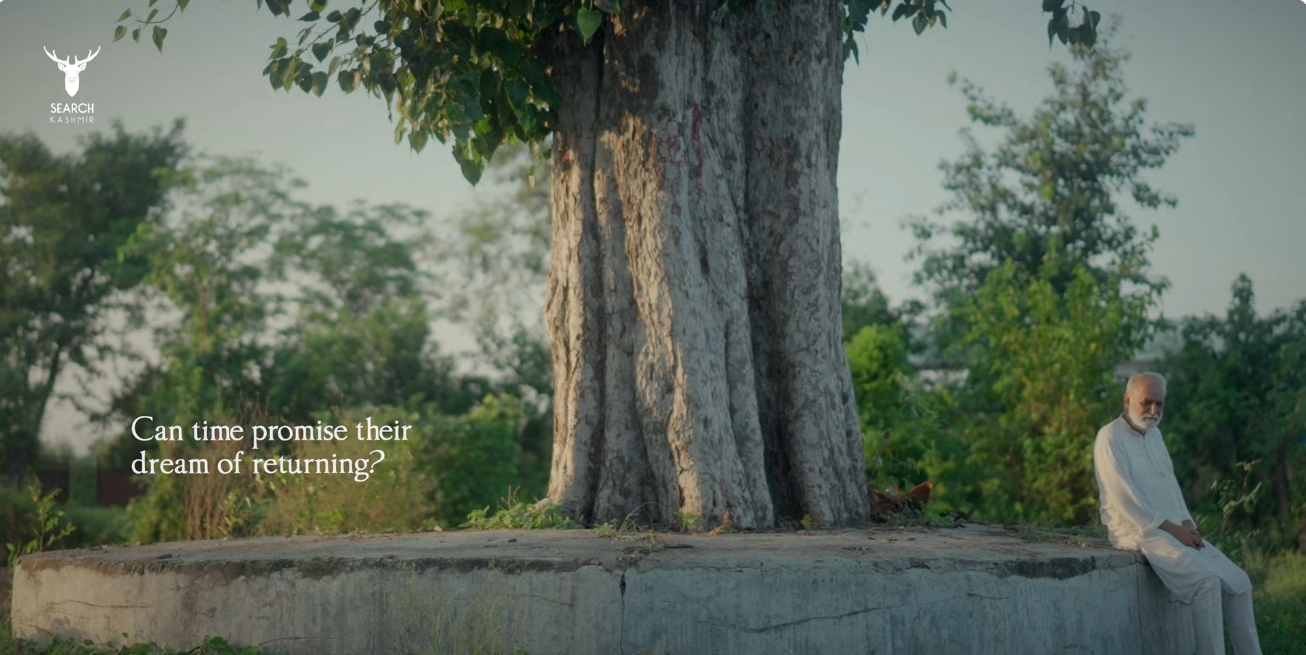
What does home mean to those who remember it, and to those who have only inherited its absence? Through three generations of a displaced Kashmiri Pandit family, *Batt Koch* traces the longing carried in letters, language and food—and the ache of returning as a visitor.
Following the Koul family from Jammu to Kashmir, *Batt Koch* explores how displacement shapes generations differently: elders yearn to return, parents struggle to preserve familiar ways, and children search for belonging in a place they barely know. This review considers the film’s portrait of memory as an inheritance, sustained through everyday rituals and the enduring hope of finding one’s way home.
“The Greek word for ‘return’ is nostos. Algos means ‘suffering’… nostalgia is the suffering caused by an unappeased yearning to return,” Milan Kundera writes. Batt Koch is about nostalgia. It premiered at The International Film Festival of Srinagar and revolves around the lives of three generations of a displaced Kashmiri Pandit family living in Jammu.
The Kashmiri Pandits are one of the most pressing political issues in our country. The left denies the very reasons that led to their exodus. The right abuses the very reasons that led to their exodus.
Batt Koch doesn’t concern itself with what or who led to this. It focuses on documenting the aftermath of the exodus through the lens of the Koul family. The aging Poshkar Nath, played by M.K. Raina, is an ex-postman who keeps writing letters while reminiscing about the past. His partner, played by Kusum Dhar, is almost equally bewitched and longs to revisit Kashmir once.
“Longing has a side effect: an addiction to looking back… an overwhelming urge to turn the present into the past,” writes Palestinian poet Mahmoud Darwish. “Longing is a scar inside the heart and a country’s fingerprint on the body. But no one longs for his wound, no one longs for pain and nightmare, but for what was before.”
Bitto, their son, keeps making promises to take his family to Kashmir but always fails to. His kids, Osheen and Nitin, are Kashmiri by descent but not by confidence. Neelam, their mother, listens to old koshur folk tunes while cooking koshur food.
Remembering is the ultimate inheritance for the displaced, so dinner tables become rituals of reminiscence. The nostalgia of dishes from the past continuing to be the staple palette for the family reveals their desire to preserve and pass on habits. This is the closest proximity children of immigrants have to their history.
Cuisine is one of the defining parameters of culture. The second is language. While the grandparents and parents talk in Kashmiri, their progeny fails to fully understand the old patterns.
In a reflective scene, Osheen tries talking in Kashmiri with her grandfather, but her accent and pronunciation fail her. This funny scene is a reminder of the diasporic insecurity of the second-generation immigrant.
She confides this to her partner: “Isn’t it strange? It’s my home but I have never been there.”
Mrs Koul, their grandmother, dies wishing for a return that never comes. She dies of ‘too much missing’ — after a planned trip to Kashmir is aborted. This represents the truth of a generation that dies without ever returning. For that first generation of ageing immigrants, Kashmir was their only identity. The struggle of Bitto after migration is just as painful. The mid-life crisis hits twice as hard under displacement, exaggerated by his children having drifted apart from their culture.
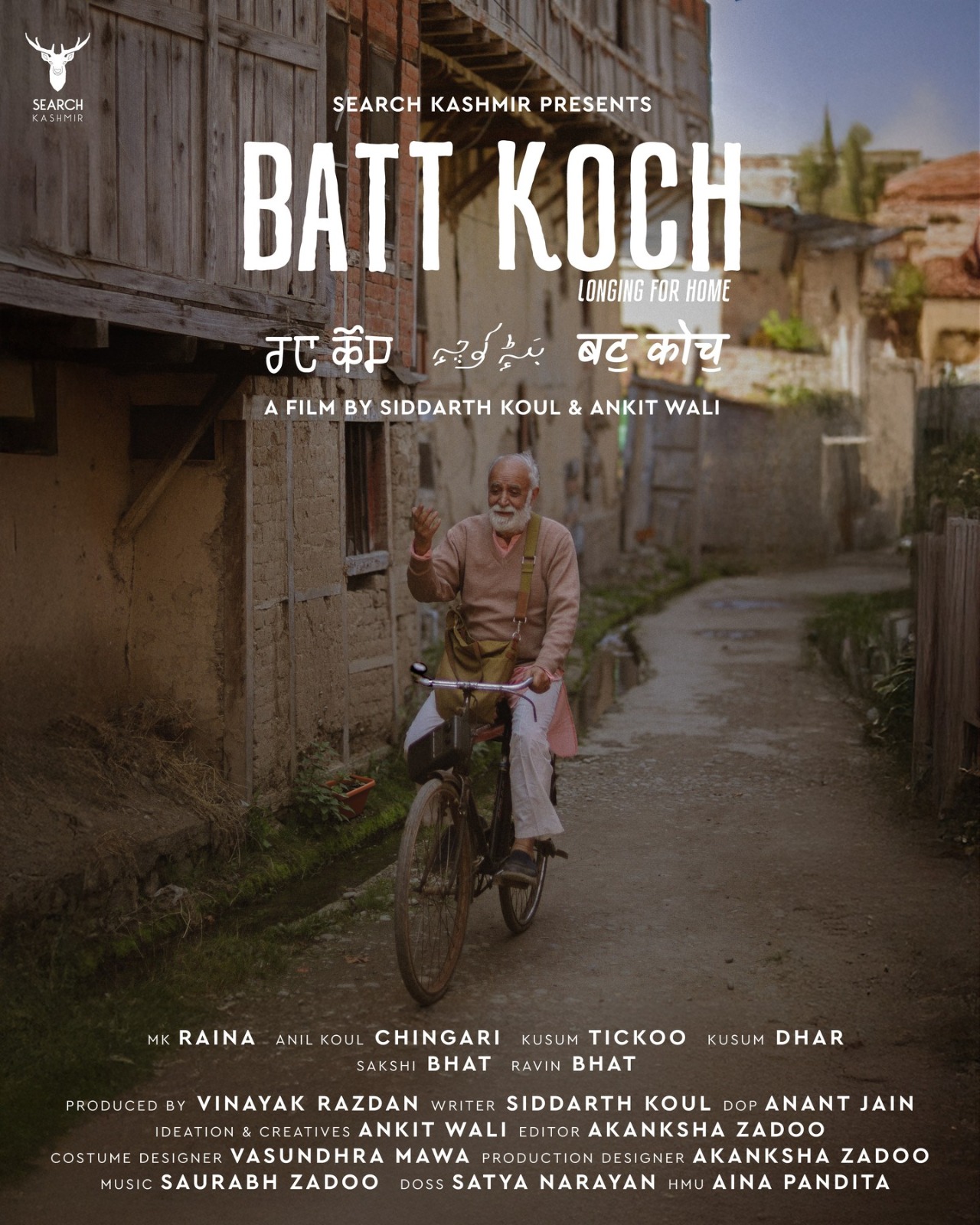
After the death of Mrs Koul, at the urging of Poshkar, the family finally decides to revisit Kashmir. Their journey is offset by sadness, since they have become tourists in their own territory.
When they stop at a restaurant, Nitin, the youngest in the family, tells Poshkar: “You shouldn’t have left Kashmir.”
“Nobody leaves their heaven willingly,” Poshkar replies. The silence arrests the viewer to introspect. On the first night back in Kashmir, Poshkar awakens from a nightmare that is delivered in the form of a sound montage…
“The struggle of man against power is the struggle of memory against forgetting,” Milan Kundera writes. The Koul family finally revisits their house.
Remembrance is the ultimate bravado of the displaced. Poshkar had been writing letters all these years so he could return and deliver them.
Those who used to live there are gone. He visits their abandoned houses and talks to the ghosts of the owners. In the climax, Poshkar Nath leaves a final letter on the doorstep of his house.
“A day will come when everyone will return to their homes. But will I be there to see that day?”
The film ends here.
Watch the Trailer Below:
External YouTube content
This YouTube post is hosted by an external service. Choose whether to load it, or open the original instead.
Open original on YouTubeLatest stories
- GMDA hires consultant to link recycled-water pipelines in Gurugram
- Railway Board sanctions trains for Bengaluru Pink Line’s elevated section
- Khalin Joshi takes six-shot lead at Bengaluru Open halfway stage
- MCG gives 24 hours to clear debris from Gurugram public spaces
- Mumbai: S. J. Poddar Academy Grade 6 students curate Zoographia
- Marsh crocodile rescued from 8-foot electricity duct at Aarey Metro complex
- Western Railway says Mumbai division collected 5.2 tonnes in cleanliness drive
- Over 1,000 students exhibit work at Bengaluru children’s biennale
- Delhi to set up 110 collection centres for old and damaged idols
- Mumbai: Nani says The Paradise makers expected an A certificate
- Niranjan Hiranandani shows six-storey Malabar Hill home Kanta
- Mumbai chocolatier makes 75kg chocolate Ganesha idol for Pune
- Heavy vehicles barred on Varthur-Gunjur SH-35 during peak hours
- CSMT inspection: PAC seeks wider north-side entry for evening rush
- Bengaluru Airport T2 hosts ten-day Odia food festival
- Delhi sets up 78 artificial ponds for Ganpati visarjan
- Mahapanchayat backs Gurgaon road-collision accused; biker calls it an attempt to shift the narrative
- Bengaluru Cantonment station redevelopment expected by December 2026
- Railways approves ₹497 crore to double Chouk–Karjat line
- Delhi Metro logs record 82.45 lakh boardings during DTC strike
Cities
- Delhi news
- Gurgaon news
- Noida news
- Greater Noida news
- Ghaziabad news
- Faridabad news
- Delhi NCR news
- Bengaluru news
- Mumbai news
- Navi Mumbai news
- Thane news
Sections
- Top Stories
- Latest
- Politics
- Governance
- Civic Issues
- Transport and Traffic
- Metro
- Roads and Infrastructure
- Weather and Air Quality
- Business and Startups
- Real Estate
- Education
- Health
- Environment
- Courts and Policy
- Safety
- Arts and Culture
- Events
- Things To Do
- Food and Drink
- New Openings
- Shopping
- Nightlife
- Neighbourhoods
- People
- Technology
- Sports
GTK covers the news, people, culture, neighbourhoods, civic life and food shaping India’s cities. Better Starts With Us.