Beyond the Thread: How Delhi Redefines Rakhi
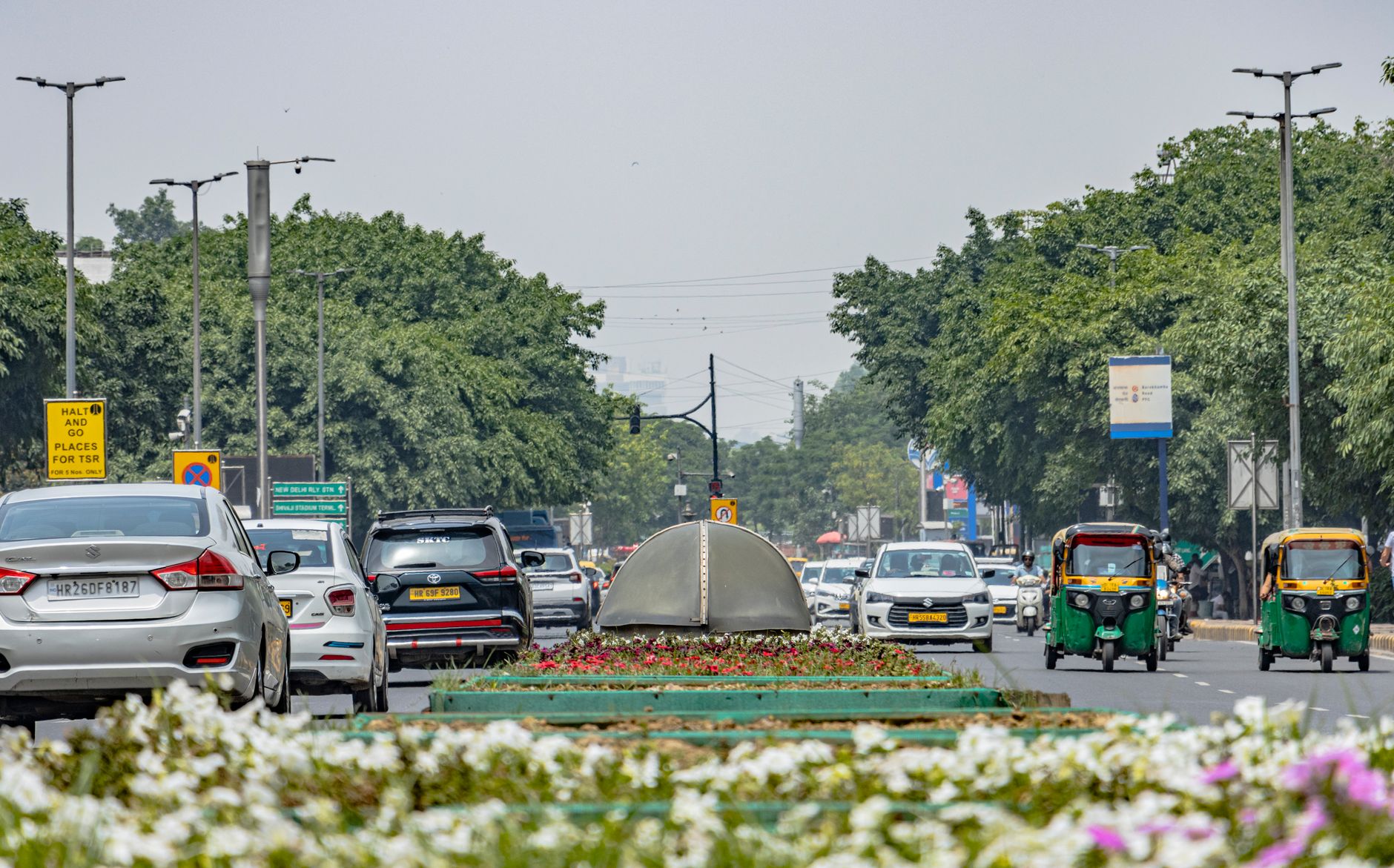
On battling metro crowds for festive kurtis to bridging time zones over WhatsApp video calls, how a city built by migrants turns a quiet sibling ritual into a beautifully loud celebration.
Raksha Bandhan takes over Delhi’s markets, streets and homes in its own wonderfully chaotic way. From traditional mauli threads to Spider-Man rakhis, this is how an old tradition comes alive in a constantly changing city.
In Delhi, you can feel Raksha Bandhan approaching before the festival actually arrives. Weeks before Rakhi, the capital city completely changes gear. Traffic starts slowing down outside sweet shops, markets get packed and the metro is full of people carrying shopping bags.
Pre-Rakhi Market Chaos
Step into Lajpat Nagar two days before the festival to see what the madness actually looks like. The market is sensory overloaded with glitter everywhere, stall owners shouting over each other, and the sharp smell of fresh mehendi drying in the heat.
In front of the garment shops, women are lining up for their turn to get mehendi applied on their hands from a mehendi artist who is continuously calling out “₹100 per hand”. Right in the central lane, a woman stands frozen in indecision, holding an intricate red and golden kurti set for the festival. At a different shop a seven-year-old boy is fascinated by a glowing LED Spider-man rakhi. Behind that boy, someone is aggressively bargaining over a box of 20 velvet rakhis while the shopkeeper barks out prices without looking up from his cash drawer. Just a few metres away, the neighbourhood sweet shop is packed with people, leaving barely any room inside. Huge trays of fresh ghevar and besan ladoo are stacked in the open, guarded by sweet makers working non-stop in the heat.
Tradition Meets Trend
The fun thing about Delhi is that the festival feels totally different depending on where you go. At one end of the street, an old merchant sells traditional mauli threads out of brass tins. Three stalls down, a younger vendor displays sleek evil eye silver bracelets and artisanal dark chocolates. That’s Delhi in a nutshell, the old and the new sharing the exact same patch of pavement.
One City, Thousand Celebrations
Delhi has always been a city of people arriving from different places. Over the years, families moved from states like Punjab, Uttar Pradesh, Bihar, Rajasthan, Bengal and many other parts of India to make the capital their home. They brought their cultural languages, food, festivals and family traditions with them. Slowly, those distant customs began blending into the very same streets, local markets and daily lives.
That is why Raksha Bandhan doesn't look exactly the same across Delhi.
One family might begin their morning with a traditional puja. Another might order lunch from their favourite restaurant. Some spend hours battling the Delhi traffic to tie a rakhi in person, others settle for a WhatsApp video call across time zones or mail rakhi to their loved ones. More than just a thread
Yet under all that noise, the festival itself remains remarkably understated. You tie a thread around a wrist. You exchange blessings and promise to protect your loved ones. Siblings make fun of each other, argue about who gave a better gift and spend an afternoon sitting together.
That is what makes Rakhi in Delhi special. The ritual itself stays very simple and sweet, but the city turns everything around it into a giant, colourful celebration. Raksha Bandhan happens all over India, but in Delhi, it’s just a little louder, a bit messier, and full of life.
Latest stories
- GMDA hires consultant to link recycled-water pipelines in Gurugram
- Railway Board sanctions trains for Bengaluru Pink Line’s elevated section
- Khalin Joshi takes six-shot lead at Bengaluru Open halfway stage
- MCG gives 24 hours to clear debris from Gurugram public spaces
- Mumbai: S. J. Poddar Academy Grade 6 students curate Zoographia
- Marsh crocodile rescued from 8-foot electricity duct at Aarey Metro complex
- Western Railway says Mumbai division collected 5.2 tonnes in cleanliness drive
- Over 1,000 students exhibit work at Bengaluru children’s biennale
- Delhi to set up 110 collection centres for old and damaged idols
- Mumbai: Nani says The Paradise makers expected an A certificate
- Niranjan Hiranandani shows six-storey Malabar Hill home Kanta
- Mumbai chocolatier makes 75kg chocolate Ganesha idol for Pune
- Heavy vehicles barred on Varthur-Gunjur SH-35 during peak hours
- CSMT inspection: PAC seeks wider north-side entry for evening rush
- Bengaluru Airport T2 hosts ten-day Odia food festival
- Delhi sets up 78 artificial ponds for Ganpati visarjan
- Mahapanchayat backs Gurgaon road-collision accused; biker calls it an attempt to shift the narrative
- Bengaluru Cantonment station redevelopment expected by December 2026
- Railways approves ₹497 crore to double Chouk–Karjat line
- Delhi Metro logs record 82.45 lakh boardings during DTC strike
Cities
- Delhi news
- Gurgaon news
- Noida news
- Greater Noida news
- Ghaziabad news
- Faridabad news
- Delhi NCR news
- Bengaluru news
- Mumbai news
- Navi Mumbai news
- Thane news
Sections
- Top Stories
- Latest
- Politics
- Governance
- Civic Issues
- Transport and Traffic
- Metro
- Roads and Infrastructure
- Weather and Air Quality
- Business and Startups
- Real Estate
- Education
- Health
- Environment
- Courts and Policy
- Safety
- Arts and Culture
- Events
- Things To Do
- Food and Drink
- New Openings
- Shopping
- Nightlife
- Neighbourhoods
- People
- Technology
- Sports
GTK covers the news, people, culture, neighbourhoods, civic life and food shaping India’s cities. Better Starts With Us.