Delhi made influenza a notifiable disease after the 1918 pandemic killed 7,044 people in the city
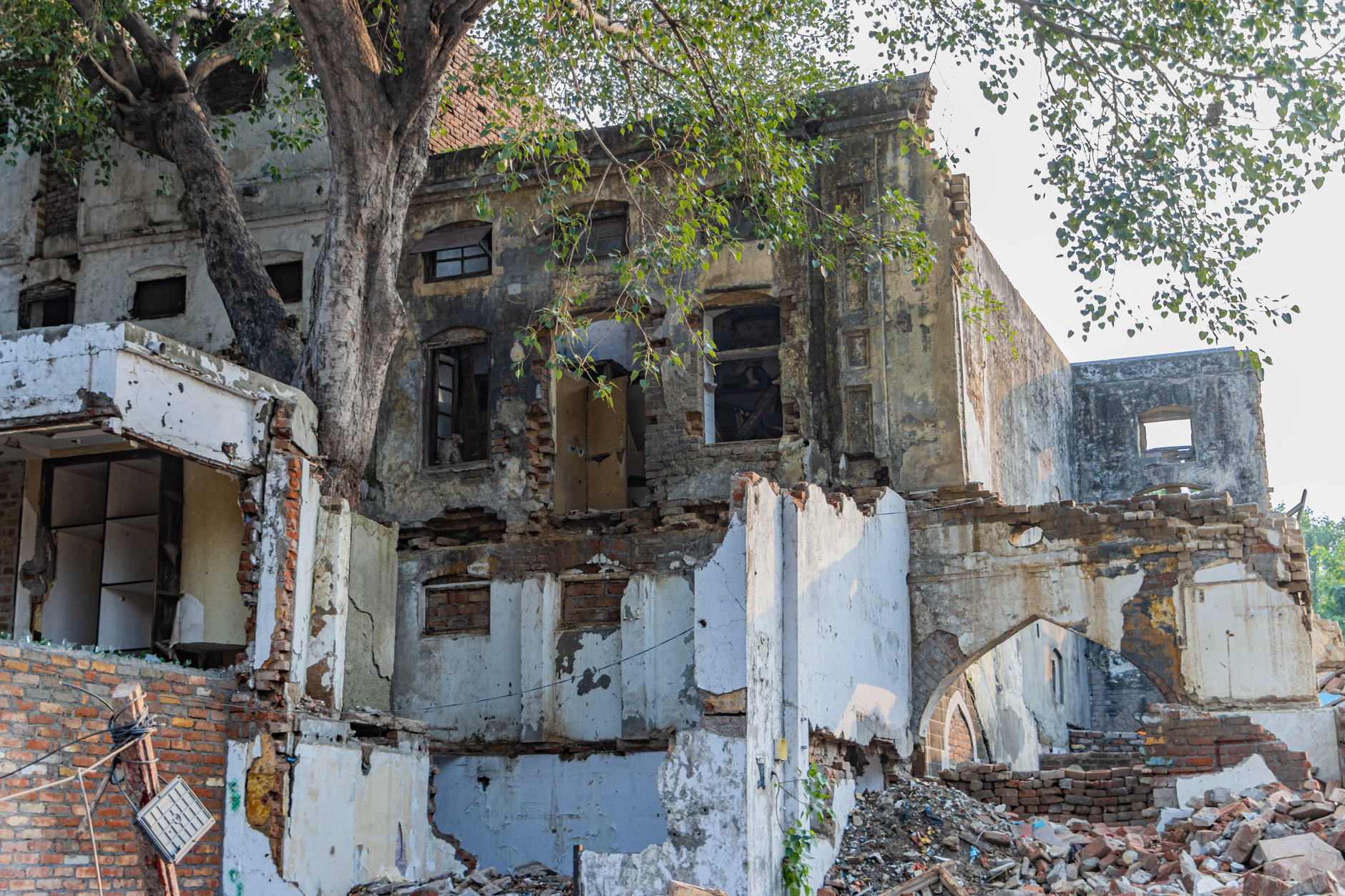
Archival records show how a fast-moving 1918 outbreak led Delhi Municipality to seek legal powers to track and control influenza two years later.
Influenza cases at Delhi’s Civil Hospital rose to more than 100 a day by the third week of October 1918, after an initially mild outbreak spread through the city. In September 1920, ordinary influenza was formally declared an infectious disease under the Punjab Municipal Act.
A European traveller arriving in Delhi from Simla was among the first influenza cases noticed by the province’s chief medical officer in 1918. Within months, Delhi city recorded 7,044 deaths, while rural parts of Delhi Province recorded another 16,131 in October and November.
The outbreak had appeared relatively limited through September, with patients reporting fever, sore throat and cough. By October, it was more frequent and severe. Civil Hospital cases climbed from isolated admissions in the first week of the month to more than 100 daily by the third; 181 cases were recorded on October 14. Severe illness included pneumonia, bronchitis and pleurisy.
The scale of the epidemic led the Delhi Municipality’s sanitation sub-committee to consider notification rules in 1920. It reviewed practices in Bombay, Madras and England before recommending that ordinary influenza be included under the Punjab Municipal Act, then governing the city’s municipal administration. The September 1920 notification gave the municipality powers to act against its spread.
Today, H1N1 is a reportable infection under Delhi’s infection-control guidelines, though individual seasonal influenza cases are not all reportable. Delhi’s current H1N1 count has reached 2,729, with Lok Nayak Hospital setting aside isolation beds.
Latest stories
- Delhi’s last red DTC bus withdrawn for scrapping after 15 years
- GMDA hires consultant to link recycled-water pipelines in Gurugram
- Railway Board sanctions trains for Bengaluru Pink Line’s elevated section
- Khalin Joshi takes six-shot lead at Bengaluru Open halfway stage
- MCG gives 24 hours to clear debris from Gurugram public spaces
- Mumbai: S. J. Poddar Academy Grade 6 students curate Zoographia
- Marsh crocodile rescued from 8-foot electricity duct at Aarey Metro complex
- Western Railway says Mumbai division collected 5.2 tonnes in cleanliness drive
- Over 1,000 students exhibit work at Bengaluru children’s biennale
- Delhi to set up 110 collection centres for old and damaged idols
- Mumbai: Nani says The Paradise makers expected an A certificate
- Niranjan Hiranandani shows six-storey Malabar Hill home Kanta
- Mumbai chocolatier makes 75kg chocolate Ganesha idol for Pune
- Heavy vehicles barred on Varthur-Gunjur SH-35 during peak hours
- CSMT inspection: PAC seeks wider north-side entry for evening rush
- Bengaluru Airport T2 hosts ten-day Odia food festival
- Delhi sets up 78 artificial ponds for Ganpati visarjan
- Mahapanchayat backs Gurgaon road-collision accused; biker calls it an attempt to shift the narrative
- Bengaluru Cantonment station redevelopment expected by December 2026
- Railways approves ₹497 crore to double Chouk–Karjat line
Cities
- Delhi news
- Gurgaon news
- Noida news
- Greater Noida news
- Ghaziabad news
- Faridabad news
- Delhi NCR news
- Bengaluru news
- Mumbai news
- Navi Mumbai news
- Thane news
Sections
- Top Stories
- Latest
- Politics
- Governance
- Civic Issues
- Transport and Traffic
- Metro
- Roads and Infrastructure
- Weather and Air Quality
- Business and Startups
- Real Estate
- Education
- Health
- Environment
- Courts and Policy
- Safety
- Arts and Culture
- Events
- Things To Do
- Food and Drink
- New Openings
- Shopping
- Nightlife
- Neighbourhoods
- People
- Technology
- Sports
GTK covers the news, people, culture, neighbourhoods, civic life and food shaping India’s cities. Better Starts With Us.