Delhi’s 2047 plan puts redevelopment and new extensions on the same map
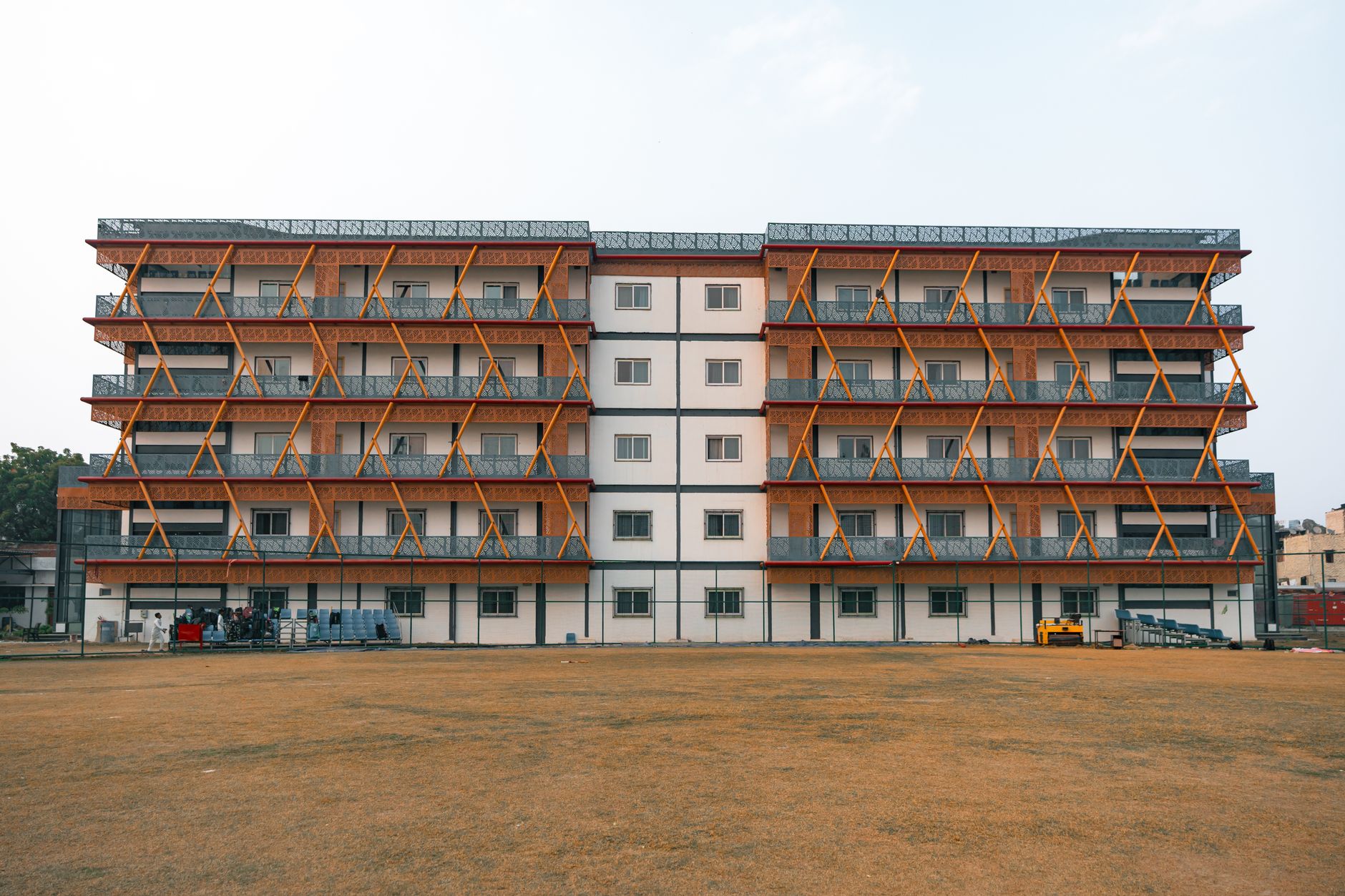
Delhi’s proposed Master Plan 2047 pairs denser redevelopment of existing neighbourhoods with planned urban extensions for a population projected to approach 32 million.
The plan, approved by the Delhi Development Authority last week and expected to be notified by the Union government this week, links new development to roads, transit, sewerage, power and digital connectivity. It also sets out higher-density redevelopment options for ageing housing areas, unauthorised colonies, urban villages and JJ clusters.
Delhi’s next master plan proposes to make room for nearly 32 million people by 2047 in two ways: rebuilding parts of the city that already have services, and opening planned urban extensions with infrastructure in place from the start.
The Delhi Development Authority-approved plan ties new construction to roads, public transport, sewerage, electricity and digital connectivity. That is a direct response to the weak uptake of DDA housing in Narela and Bawana, where residents and buyers had cited a lack of essential infrastructure.
In ageing planned areas—such as DDA colonies, cooperative housing societies and government housing—the plan allows redevelopment to add homes while upgrading utilities, roads, public spaces and community facilities. Its illustrative model raises floor area ratio to 300, retains 30% green or open space, and permits buildings up to G+9.
Unauthorised colonies could take up regeneration schemes over at least 2,000 square metres, with a base FAR of 350. Urban villages are proposed to get area-improvement plans, road widening, better infrastructure, waterbody rejuvenation and local green spaces. For JJ clusters, the plan lists in-situ rehabilitation, relocation and in-situ upgrading as its three options.
The Union government is expected to notify the plan this week, following the DDA’s approval. Earlier coverage mapped its nearly four million additional homes.
Latest stories
- The Blondie House opens in Versova with coffee, matcha and all-day dining
- Delhi’s last red DTC bus withdrawn for scrapping after 15 years
- GMDA hires consultant to link recycled-water pipelines in Gurugram
- Railway Board sanctions trains for Bengaluru Pink Line’s elevated section
- Khalin Joshi takes six-shot lead at Bengaluru Open halfway stage
- MCG gives 24 hours to clear debris from Gurugram public spaces
- Mumbai: S. J. Poddar Academy Grade 6 students curate Zoographia
- Marsh crocodile rescued from 8-foot electricity duct at Aarey Metro complex
- Western Railway says Mumbai division collected 5.2 tonnes in cleanliness drive
- Over 1,000 students exhibit work at Bengaluru children’s biennale
- Delhi to set up 110 collection centres for old and damaged idols
- Mumbai: Nani says The Paradise makers expected an A certificate
- Niranjan Hiranandani shows six-storey Malabar Hill home Kanta
- Mumbai chocolatier makes 75kg chocolate Ganesha idol for Pune
- Heavy vehicles barred on Varthur-Gunjur SH-35 during peak hours
- CSMT inspection: PAC seeks wider north-side entry for evening rush
- Bengaluru Airport T2 hosts ten-day Odia food festival
- Delhi sets up 78 artificial ponds for Ganpati visarjan
- Mahapanchayat backs Gurgaon road-collision accused; biker calls it an attempt to shift the narrative
- Bengaluru Cantonment station redevelopment expected by December 2026
Cities
- Delhi news
- Gurgaon news
- Noida news
- Greater Noida news
- Ghaziabad news
- Faridabad news
- Delhi NCR news
- Bengaluru news
- Mumbai news
- Navi Mumbai news
- Thane news
Sections
- Top Stories
- Latest
- Politics
- Governance
- Civic Issues
- Transport and Traffic
- Metro
- Roads and Infrastructure
- Weather and Air Quality
- Business and Startups
- Real Estate
- Education
- Health
- Environment
- Courts and Policy
- Safety
- Arts and Culture
- Events
- Things To Do
- Food and Drink
- New Openings
- Shopping
- Nightlife
- Neighbourhoods
- People
- Technology
- Sports
GTK covers the news, people, culture, neighbourhoods, civic life and food shaping India’s cities. Better Starts With Us.