Delhi’s barsati is fading from the terrace skyline
The small rooftop rooms once rented by young migrants and artists have largely vanished as old bungalows make way for multi-storey homes.
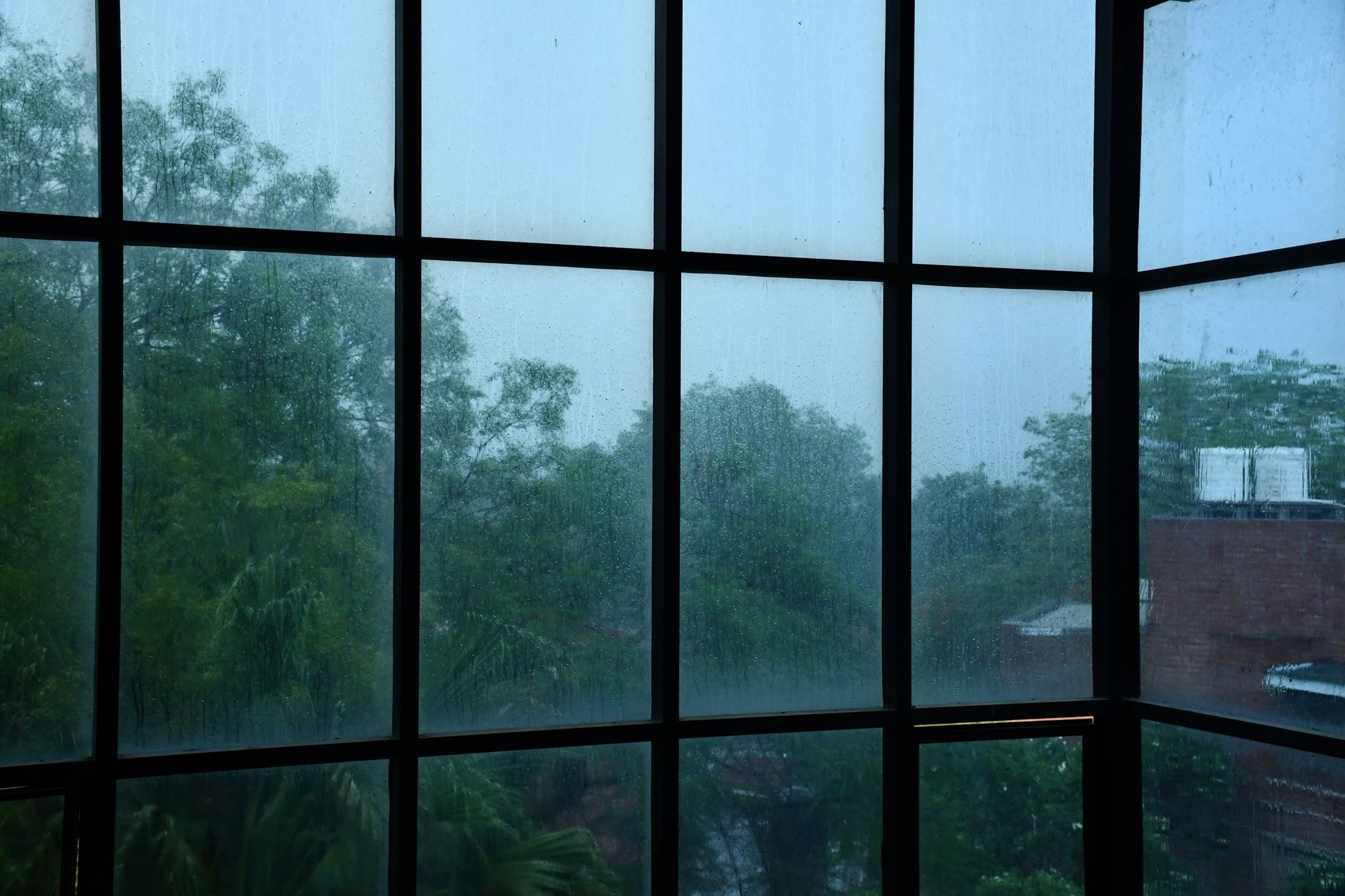
A rain-soaked Delhi terrace offers a reminder of the barsati: the small rooftop room named for the Urdu word for rain. Once a low-rent address for tenants in neighbourhoods such as Jangpura, Defence Colony and Nizamuddin East, the form has been edged out by redevelopment and changing building rules.
Rain lashed a deserted Delhi terrace on Tuesday, the kind of rooftop once built with a small room beside it: a barsati.
Named after the Urdu word for rain, the barsati began as shelter during sudden showers. Building rules allowed a limited room on a bungalow roof, and many of these spaces later became inexpensive rentals. They became part of the city’s cultural map, particularly for young migrants.
Painter MF Husain and artist Zarina Hashmi lived in Jangpura barsatis. Writers Amitav Ghosh and Pankaj Mishra lived in Defence Colony, while sculptor Mrinalini Mukherjee had a barsati in Nizamuddin East. The 1981 comedy *Chashme Buddoor*, about three friends sharing one such room, was filmed in a Defence Colony barsati.
That address no longer has its terrace room. A May 2026 visit to the site found a multi-storey building in its place.
As regulations changed and bungalows were rebuilt with several floors of rentable homes, a single rooftop room made less financial sense for owners. Many of the old colonies now have few terraces left to hold a barsati.
In Nizamuddin, a real-estate agent says one barsati remains, with two bedrooms and monthly rent of Rs 35,000. It is a long way from the modest, single-room rentals that shaped the older barsati life.
Latest stories
- The Blondie House opens in Versova with coffee, matcha and all-day dining
- Delhi’s last red DTC bus withdrawn for scrapping after 15 years
- GMDA hires consultant to link recycled-water pipelines in Gurugram
- Railway Board sanctions trains for Bengaluru Pink Line’s elevated section
- Khalin Joshi takes six-shot lead at Bengaluru Open halfway stage
- MCG gives 24 hours to clear debris from Gurugram public spaces
- Mumbai: S. J. Poddar Academy Grade 6 students curate Zoographia
- Marsh crocodile rescued from 8-foot electricity duct at Aarey Metro complex
- Western Railway says Mumbai division collected 5.2 tonnes in cleanliness drive
- Over 1,000 students exhibit work at Bengaluru children’s biennale
- Delhi to set up 110 collection centres for old and damaged idols
- Mumbai: Nani says The Paradise makers expected an A certificate
- Niranjan Hiranandani shows six-storey Malabar Hill home Kanta
- Mumbai chocolatier makes 75kg chocolate Ganesha idol for Pune
- Heavy vehicles barred on Varthur-Gunjur SH-35 during peak hours
- CSMT inspection: PAC seeks wider north-side entry for evening rush
- Bengaluru Airport T2 hosts ten-day Odia food festival
- Delhi sets up 78 artificial ponds for Ganpati visarjan
- Mahapanchayat backs Gurgaon road-collision accused; biker calls it an attempt to shift the narrative
- Bengaluru Cantonment station redevelopment expected by December 2026
Cities
- Delhi news
- Gurgaon news
- Noida news
- Greater Noida news
- Ghaziabad news
- Faridabad news
- Delhi NCR news
- Bengaluru news
- Mumbai news
- Navi Mumbai news
- Thane news
Sections
- Top Stories
- Latest
- Politics
- Governance
- Civic Issues
- Transport and Traffic
- Metro
- Roads and Infrastructure
- Weather and Air Quality
- Business and Startups
- Real Estate
- Education
- Health
- Environment
- Courts and Policy
- Safety
- Arts and Culture
- Events
- Things To Do
- Food and Drink
- New Openings
- Shopping
- Nightlife
- Neighbourhoods
- People
- Technology
- Sports
GTK covers the news, people, culture, neighbourhoods, civic life and food shaping India’s cities. Better Starts With Us.