Delhi villages find an archive on Instagram through local projects
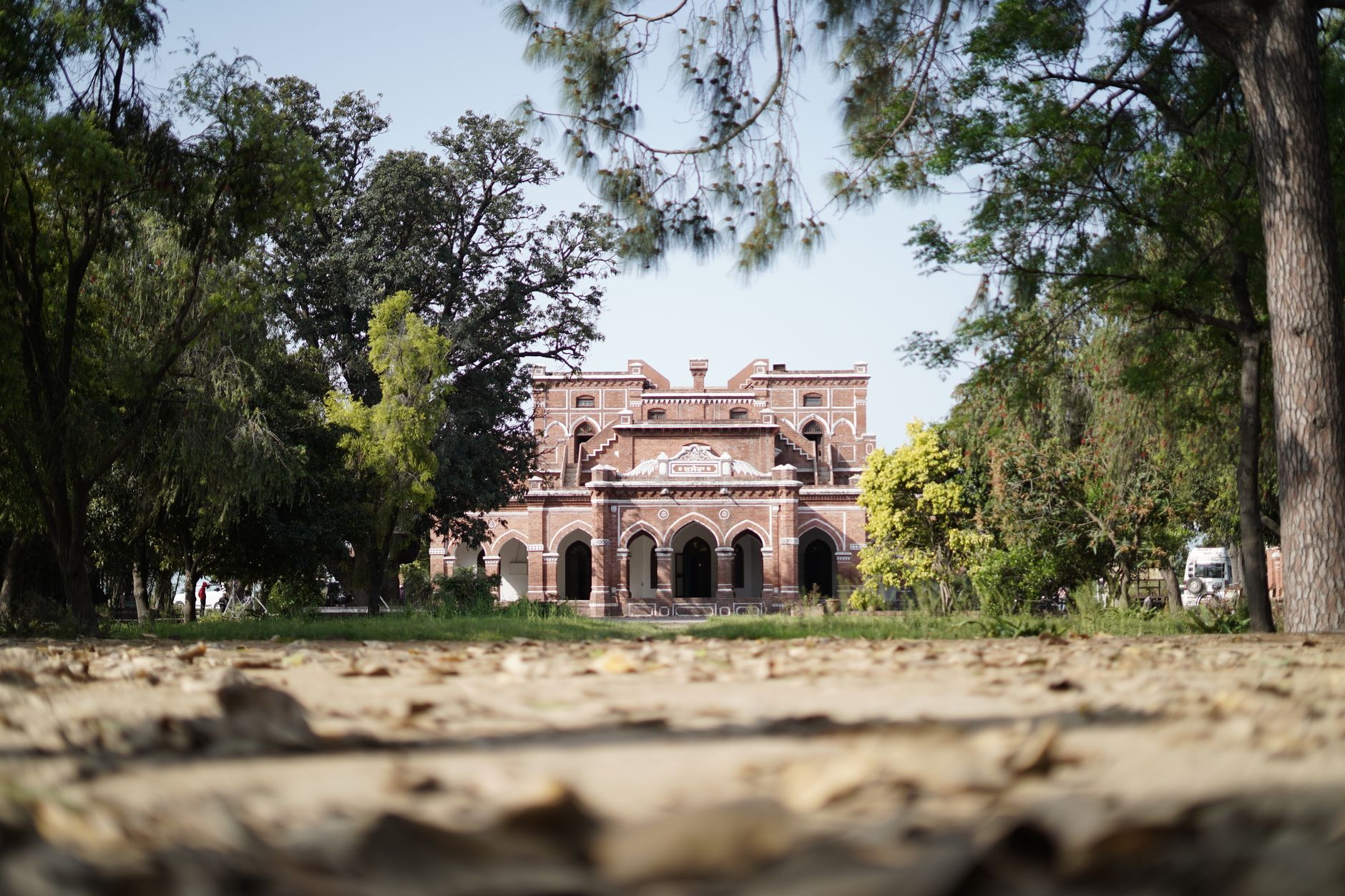
Two community-led projects are recording photographs, havelis, rituals and family memories from Delhi’s villages.
Delhi Villages Culture and Dilli Dehat Project are collecting oral histories and visual records from Nilothi, Kadipur and Khera Kalan.
A 1915 photograph outside a Kadipur haveli, a nearly 60-year-old house in Nilothi and memories of Khera Kalan’s pond are entering a growing digital record of Delhi’s villages.
Delhi Villages Culture, started more than a year ago by Nilothi resident and teacher Hardeep Shokeen, documents village architecture, customs and family archives through its Instagram account, which has more than 42,000 followers. Shokeen visits villages and meets older residents who have kept photographs, newspaper clippings and folk songs. “Whatever history remains now is largely with the elders,” he said.
In Nilothi, he has recorded a haveli with floral motifs, jaali work and a colourful facade, along with a structure believed to be about 300 years old. He also records practices including visits to the gram devta shrine before weddings, a child’s birth or the first harvest.
Names beneath newer neighbourhoods
The project documents villages whose names have been overtaken in everyday use by newer neighbourhoods built on their land. Shokeen cites Nilothi and Vikaspuri, Masoodpur and Vasant Kunj, Pilanji and Sarojini Nagar, Zamrudpur and Greater Kailash, and Madipur and Punjabi Bagh.
Dilli Dehat Project, founded in mid-2023 by Puneet Singh Singhal, Gagandeep Singh Khadar Bidhuri and Parth Shokeen, is building a similar archive through maps, interviews, photographs and videos. Its account has nearly 70,000 followers. Puneet said the project receives around 70 direct messages and emails each month from people sharing material or seeking information about their villages.
In Kadipur, Puneet, Parth and volunteer Lavanya Rana recorded the haveli of Harpal Singh Rana’s family. The family has a black-and-white photograph dated January 10, 1915, showing a large gathering outside its main gate. In Khera Kalan, the team documented a village known for its pond, where many older houses have been replaced.
Both projects continue to collect photographs, memories and other material from families and village communities.
Latest stories
- Delhi’s last red DTC bus withdrawn for scrapping after 15 years
- GMDA hires consultant to link recycled-water pipelines in Gurugram
- Railway Board sanctions trains for Bengaluru Pink Line’s elevated section
- Khalin Joshi takes six-shot lead at Bengaluru Open halfway stage
- MCG gives 24 hours to clear debris from Gurugram public spaces
- Mumbai: S. J. Poddar Academy Grade 6 students curate Zoographia
- Marsh crocodile rescued from 8-foot electricity duct at Aarey Metro complex
- Western Railway says Mumbai division collected 5.2 tonnes in cleanliness drive
- Over 1,000 students exhibit work at Bengaluru children’s biennale
- Delhi to set up 110 collection centres for old and damaged idols
- Mumbai: Nani says The Paradise makers expected an A certificate
- Niranjan Hiranandani shows six-storey Malabar Hill home Kanta
- Mumbai chocolatier makes 75kg chocolate Ganesha idol for Pune
- Heavy vehicles barred on Varthur-Gunjur SH-35 during peak hours
- CSMT inspection: PAC seeks wider north-side entry for evening rush
- Bengaluru Airport T2 hosts ten-day Odia food festival
- Delhi sets up 78 artificial ponds for Ganpati visarjan
- Mahapanchayat backs Gurgaon road-collision accused; biker calls it an attempt to shift the narrative
- Bengaluru Cantonment station redevelopment expected by December 2026
- Railways approves ₹497 crore to double Chouk–Karjat line
Cities
- Delhi news
- Gurgaon news
- Noida news
- Greater Noida news
- Ghaziabad news
- Faridabad news
- Delhi NCR news
- Bengaluru news
- Mumbai news
- Navi Mumbai news
- Thane news
Sections
- Top Stories
- Latest
- Politics
- Governance
- Civic Issues
- Transport and Traffic
- Metro
- Roads and Infrastructure
- Weather and Air Quality
- Business and Startups
- Real Estate
- Education
- Health
- Environment
- Courts and Policy
- Safety
- Arts and Culture
- Events
- Things To Do
- Food and Drink
- New Openings
- Shopping
- Nightlife
- Neighbourhoods
- People
- Technology
- Sports
GTK covers the news, people, culture, neighbourhoods, civic life and food shaping India’s cities. Better Starts With Us.