Bengaluru study finds diversion channels improve lake water quality
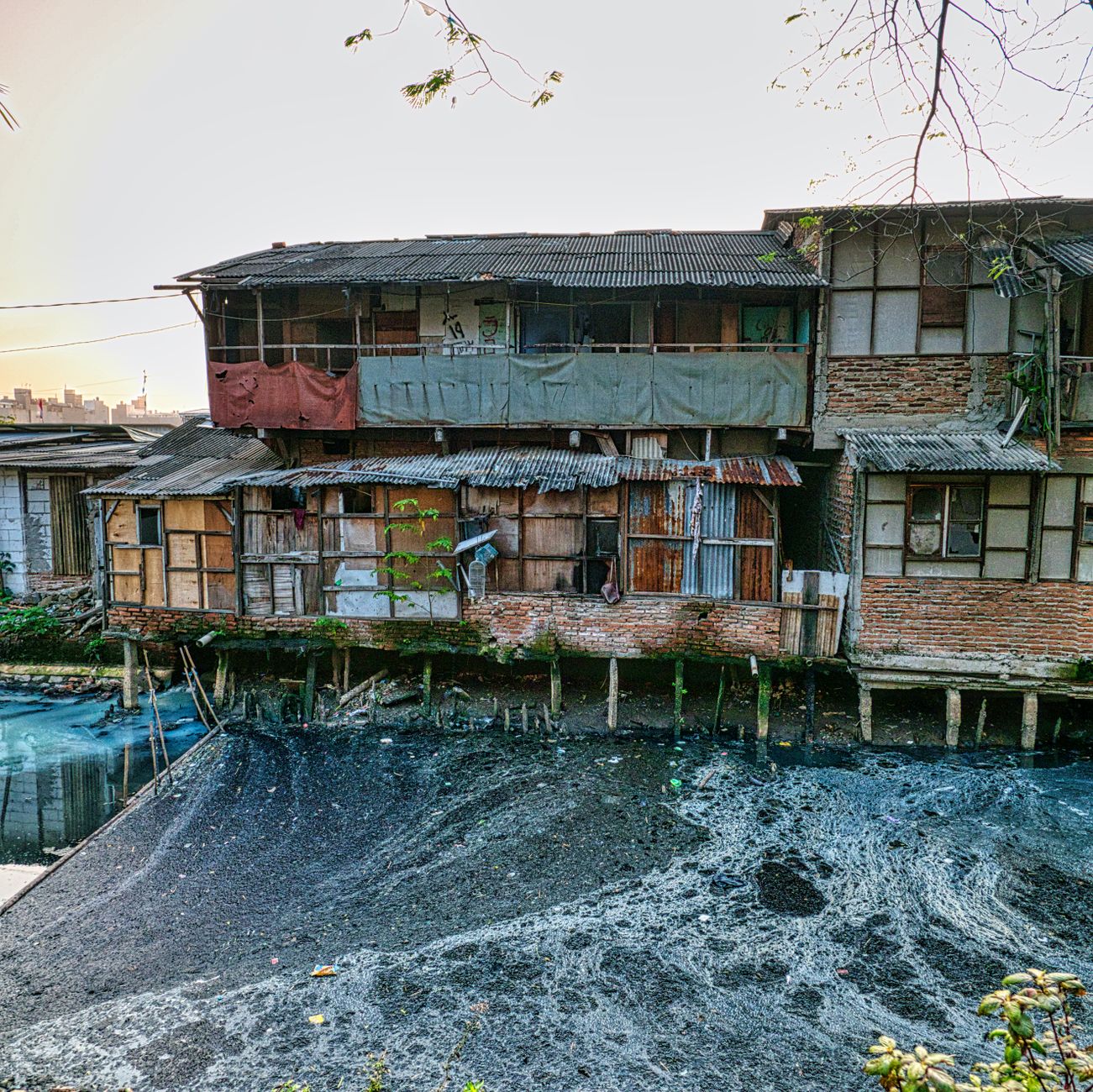
A study of eight Bengaluru lakes found that diversion channels improved lake water quality while redirecting untreated wastewater through the connected drainage network.
A study of eight Bengaluru lakes found diversion channels improved lake water quality but did not treat wastewater across the wider catchment.
Diversion channels helped lakes with complete inlet diversion reach an average Water Quality Index score of 93, classified as Clean, in a study of eight Bengaluru water bodies. Lakes without structural intervention at their inlets averaged 56, in the Polluted category.
Researchers compared lakes with complete or partial sewage diversion, lakes receiving treated and untreated wastewater, and lakes without such measures. Seven water-quality parameters, including nitrogen, phosphorus and chemical oxygen demand, were lower at lakes with complete diversion than at those without intervention.
The channels do not treat sewage. They redirect it through Bengaluru’s drainage system, and the researchers said restoration plans need to account for connected drains and catchments rather than focus only on a lake’s inlet.
Lakes receiving a mix of treated and untreated wastewater averaged 67, or Slightly Polluted. Sarrakki, Hulimavu and Jakkur were in this group. Sarrakki and Jakkur also supported fishing, with approximate weekly catches of 175kg and 75kg respectively during the study period.
Researchers collected samples three times between February and July 2022 after dry spells. The findings therefore describe pre-monsoon conditions rather than year-round lake performance.
Latest stories
- Delhi’s last red DTC bus withdrawn for scrapping after 15 years
- GMDA hires consultant to link recycled-water pipelines in Gurugram
- Railway Board sanctions trains for Bengaluru Pink Line’s elevated section
- Khalin Joshi takes six-shot lead at Bengaluru Open halfway stage
- MCG gives 24 hours to clear debris from Gurugram public spaces
- Mumbai: S. J. Poddar Academy Grade 6 students curate Zoographia
- Marsh crocodile rescued from 8-foot electricity duct at Aarey Metro complex
- Western Railway says Mumbai division collected 5.2 tonnes in cleanliness drive
- Over 1,000 students exhibit work at Bengaluru children’s biennale
- Delhi to set up 110 collection centres for old and damaged idols
- Mumbai: Nani says The Paradise makers expected an A certificate
- Niranjan Hiranandani shows six-storey Malabar Hill home Kanta
- Mumbai chocolatier makes 75kg chocolate Ganesha idol for Pune
- Heavy vehicles barred on Varthur-Gunjur SH-35 during peak hours
- CSMT inspection: PAC seeks wider north-side entry for evening rush
- Bengaluru Airport T2 hosts ten-day Odia food festival
- Delhi sets up 78 artificial ponds for Ganpati visarjan
- Mahapanchayat backs Gurgaon road-collision accused; biker calls it an attempt to shift the narrative
- Bengaluru Cantonment station redevelopment expected by December 2026
- Railways approves ₹497 crore to double Chouk–Karjat line
Cities
- Delhi news
- Gurgaon news
- Noida news
- Greater Noida news
- Ghaziabad news
- Faridabad news
- Delhi NCR news
- Bengaluru news
- Mumbai news
- Navi Mumbai news
- Thane news
Sections
- Top Stories
- Latest
- Politics
- Governance
- Civic Issues
- Transport and Traffic
- Metro
- Roads and Infrastructure
- Weather and Air Quality
- Business and Startups
- Real Estate
- Education
- Health
- Environment
- Courts and Policy
- Safety
- Arts and Culture
- Events
- Things To Do
- Food and Drink
- New Openings
- Shopping
- Nightlife
- Neighbourhoods
- People
- Technology
- Sports
GTK covers the news, people, culture, neighbourhoods, civic life and food shaping India’s cities. Better Starts With Us.