In Jacobpura, Gurugram’s older homes still hold a longer history
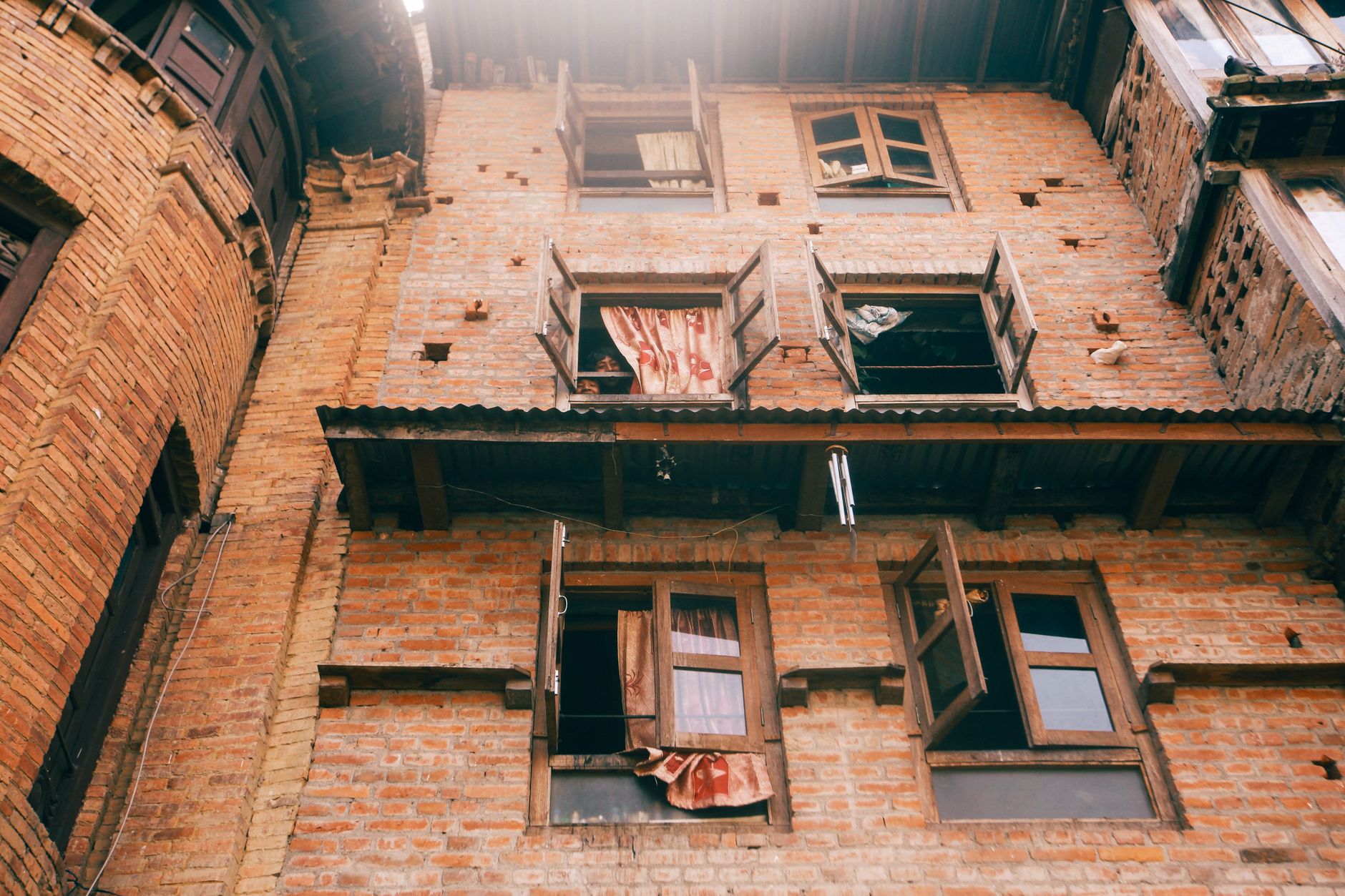
A bungalow being demolished in Jacobpura, alongside surviving courtyard homes and carved wooden doors, offers a glimpse of the layers beneath Gurugram’s tower-lined skyline.
Migrant labourers from Bundelkhand are demolishing an old bungalow in Jacobpura, where nearby lanes still contain a small number of older houses with courtyards, traditional doors and pierced parapets. Gurugram’s past spans local Partition memory, colonial-era Civil Lines and histories recorded in the 1910 Gurgaon District Gazetteer.
In Jacobpura, migrant labourers from Bundelkhand are pulling down a bungalow whose exposed frame still shows old courtyards and doorways. A few similar homes remain in the adjoining lanes, including one with a carved wooden door and a parapet punctured by small openings.
They sit far from the glass-and-concrete image usually associated with Gurugram. The 1910 *Gazetteer of the Gurgaon District* traces the area’s history to the late Harappan period and traditions linked to the Mahabharata, including the belief that Yudhishthira granted the village to Dronacharya. It also records successive rule by the Mauryans, Harsha, the Gurjara-Pratiharas, Tomars, Chauhans, the Sultanate, the Lodhis, Sur rulers and the Mughals.
British rule, which began in the region in 1803, remains visible in Civil Lines at the Church of Epiphany, with its lancet windows and gabled roof. Another more recent layer is Mianwali Colony, named for people who arrived from Mianwali in Pakistani Punjab after Partition.
For residents moving through a rapidly rebuilt city, Jacobpura’s remaining houses are among the few visible reminders that Gurugram was once a cluster of villages before it became a corporate centre.
Latest stories
- Delhi’s last red DTC bus withdrawn for scrapping after 15 years
- GMDA hires consultant to link recycled-water pipelines in Gurugram
- Railway Board sanctions trains for Bengaluru Pink Line’s elevated section
- Khalin Joshi takes six-shot lead at Bengaluru Open halfway stage
- MCG gives 24 hours to clear debris from Gurugram public spaces
- Mumbai: S. J. Poddar Academy Grade 6 students curate Zoographia
- Marsh crocodile rescued from 8-foot electricity duct at Aarey Metro complex
- Western Railway says Mumbai division collected 5.2 tonnes in cleanliness drive
- Over 1,000 students exhibit work at Bengaluru children’s biennale
- Delhi to set up 110 collection centres for old and damaged idols
- Mumbai: Nani says The Paradise makers expected an A certificate
- Niranjan Hiranandani shows six-storey Malabar Hill home Kanta
- Mumbai chocolatier makes 75kg chocolate Ganesha idol for Pune
- Heavy vehicles barred on Varthur-Gunjur SH-35 during peak hours
- CSMT inspection: PAC seeks wider north-side entry for evening rush
- Bengaluru Airport T2 hosts ten-day Odia food festival
- Delhi sets up 78 artificial ponds for Ganpati visarjan
- Mahapanchayat backs Gurgaon road-collision accused; biker calls it an attempt to shift the narrative
- Bengaluru Cantonment station redevelopment expected by December 2026
- Railways approves ₹497 crore to double Chouk–Karjat line
Cities
- Delhi news
- Gurgaon news
- Noida news
- Greater Noida news
- Ghaziabad news
- Faridabad news
- Delhi NCR news
- Bengaluru news
- Mumbai news
- Navi Mumbai news
- Thane news
Sections
- Top Stories
- Latest
- Politics
- Governance
- Civic Issues
- Transport and Traffic
- Metro
- Roads and Infrastructure
- Weather and Air Quality
- Business and Startups
- Real Estate
- Education
- Health
- Environment
- Courts and Policy
- Safety
- Arts and Culture
- Events
- Things To Do
- Food and Drink
- New Openings
- Shopping
- Nightlife
- Neighbourhoods
- People
- Technology
- Sports
GTK covers the news, people, culture, neighbourhoods, civic life and food shaping India’s cities. Better Starts With Us.