Moti Masjid’s marble courtyard remains behind locked doors at Red Fort
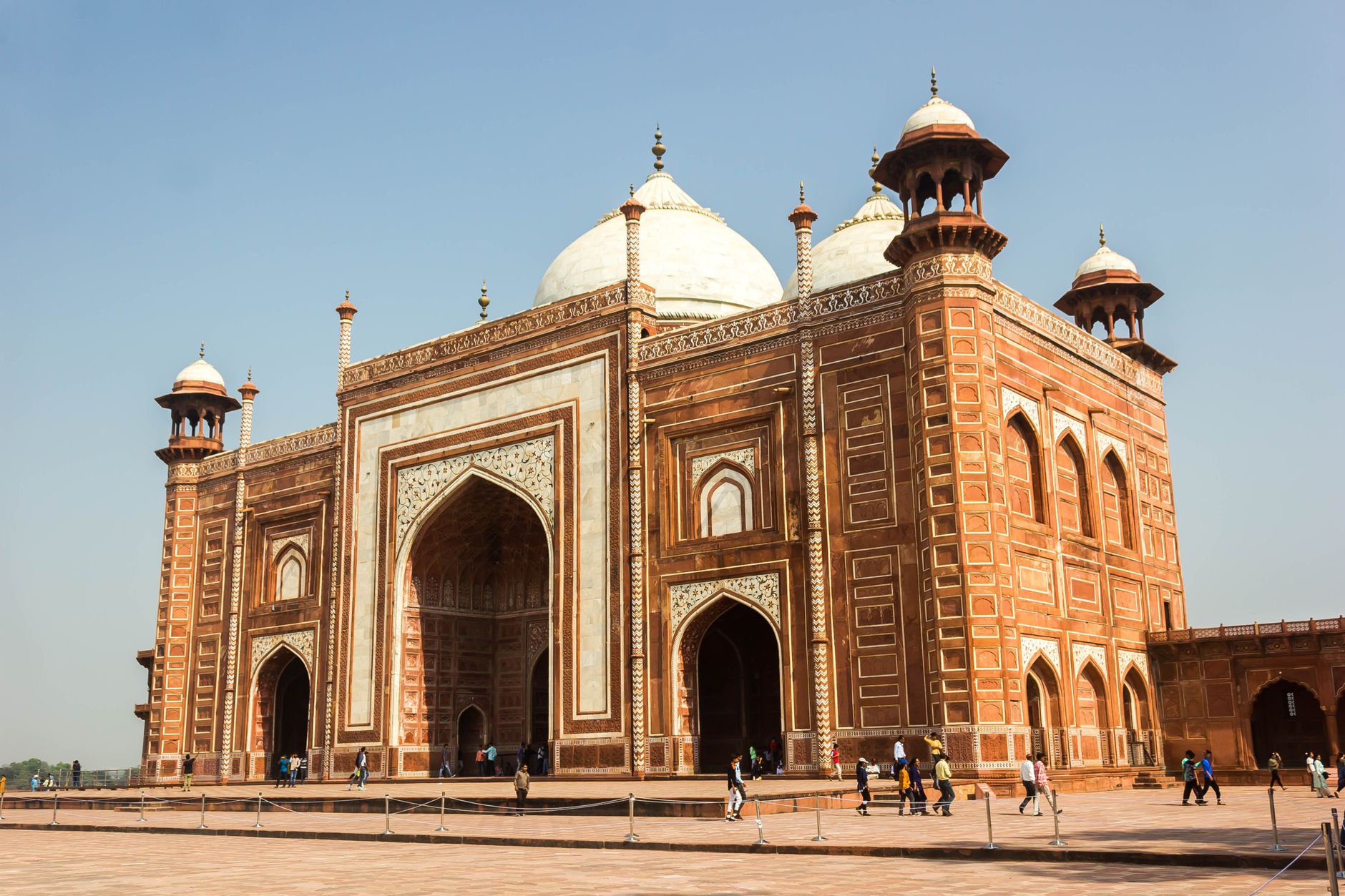
Aurangzeb’s white-marble mosque inside the Red Fort has been closed to visitors for years, leaving its courtyard and carved interiors out of public view.
Moti Masjid stands in the deeper part of the Red Fort complex, near the royal bath, but its doors remain shut to visitors. Built by Aurangzeb rather than as part of Shah Jahan’s original fort plan, the mosque is one of Delhi’s rarer Mughal-era commissions in white marble.
Moti Masjid’s minars, domes and arches rise above the Red Fort’s red-sandstone walls, but the small white-marble mosque has remained closed to visitors for years.
Built by Aurangzeb near the royal bath inside the fort, it was not included in Shah Jahan’s original plan. Shah Jahan, whose living quarters were within the fort, travelled to Jama Masjid outside the complex for special Friday prayers. His son later created this more private place of worship within the palace-fort.
The mosque is unusual in Delhi for both its patron and its material. Mughal-era monuments are widespread in the city, but buildings commissioned by Aurangzeb are comparatively rare; Delhi also has few major monuments made entirely of marble. Moti Masjid’s surfaces are carved with floral and vine patterns, including on its ceiling.
Its locked entrance now keeps the courtyard largely unseen. A visitor at the site was seen bending toward the narrow gap at its doors, trying to glimpse the marble interior.
Latest stories
- The Blondie House opens in Versova with coffee, matcha and all-day dining
- Delhi’s last red DTC bus withdrawn for scrapping after 15 years
- GMDA hires consultant to link recycled-water pipelines in Gurugram
- Railway Board sanctions trains for Bengaluru Pink Line’s elevated section
- Khalin Joshi takes six-shot lead at Bengaluru Open halfway stage
- MCG gives 24 hours to clear debris from Gurugram public spaces
- Mumbai: S. J. Poddar Academy Grade 6 students curate Zoographia
- Marsh crocodile rescued from 8-foot electricity duct at Aarey Metro complex
- Western Railway says Mumbai division collected 5.2 tonnes in cleanliness drive
- Over 1,000 students exhibit work at Bengaluru children’s biennale
- Delhi to set up 110 collection centres for old and damaged idols
- Mumbai: Nani says The Paradise makers expected an A certificate
- Niranjan Hiranandani shows six-storey Malabar Hill home Kanta
- Mumbai chocolatier makes 75kg chocolate Ganesha idol for Pune
- Heavy vehicles barred on Varthur-Gunjur SH-35 during peak hours
- CSMT inspection: PAC seeks wider north-side entry for evening rush
- Bengaluru Airport T2 hosts ten-day Odia food festival
- Delhi sets up 78 artificial ponds for Ganpati visarjan
- Mahapanchayat backs Gurgaon road-collision accused; biker calls it an attempt to shift the narrative
- Bengaluru Cantonment station redevelopment expected by December 2026
Cities
- Delhi news
- Gurgaon news
- Noida news
- Greater Noida news
- Ghaziabad news
- Faridabad news
- Delhi NCR news
- Bengaluru news
- Mumbai news
- Navi Mumbai news
- Thane news
Sections
- Top Stories
- Latest
- Politics
- Governance
- Civic Issues
- Transport and Traffic
- Metro
- Roads and Infrastructure
- Weather and Air Quality
- Business and Startups
- Real Estate
- Education
- Health
- Environment
- Courts and Policy
- Safety
- Arts and Culture
- Events
- Things To Do
- Food and Drink
- New Openings
- Shopping
- Nightlife
- Neighbourhoods
- People
- Technology
- Sports
GTK covers the news, people, culture, neighbourhoods, civic life and food shaping India’s cities. Better Starts With Us.