Delhi writer Nasera Sharma recalls reporting from Iran
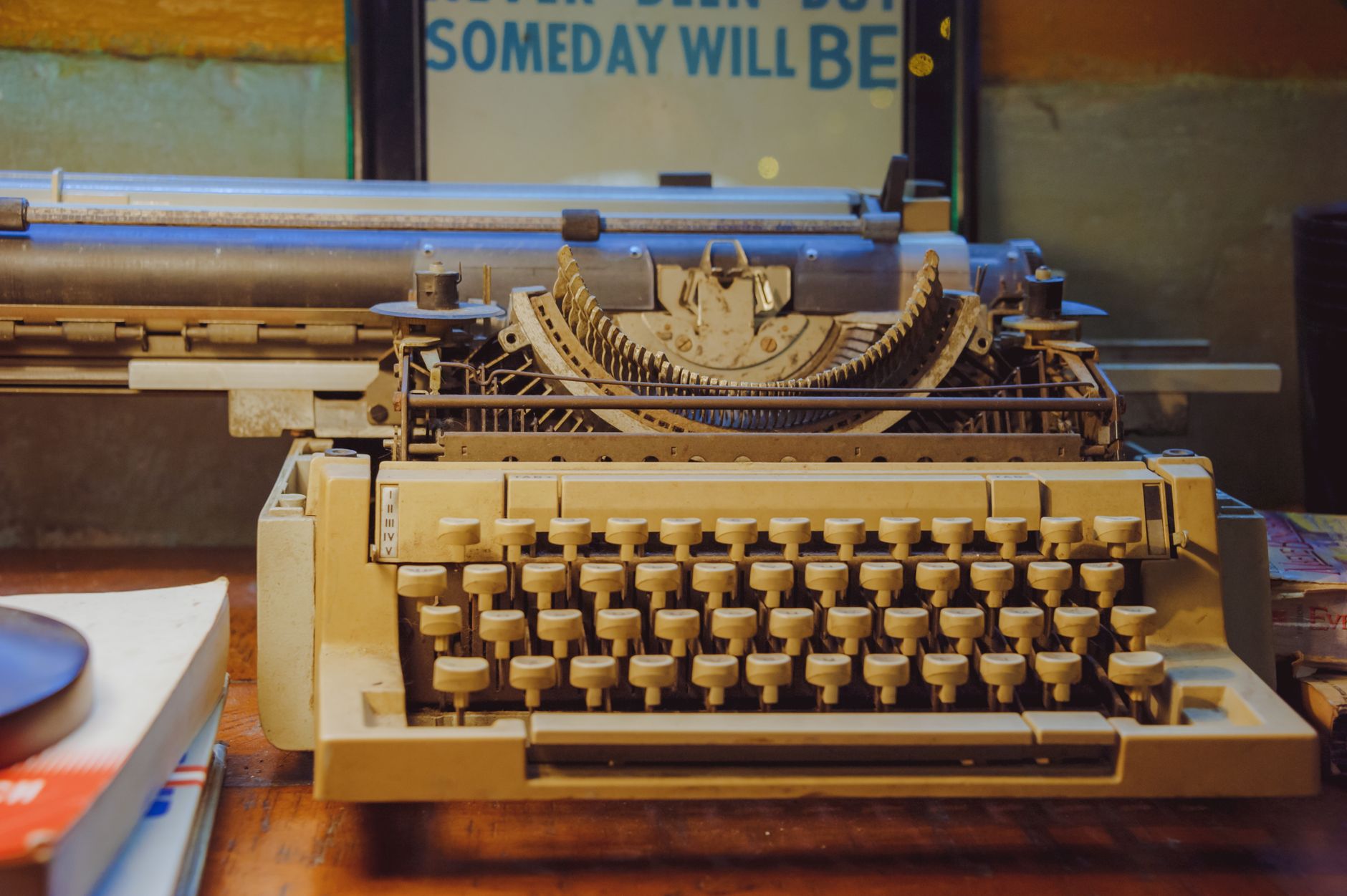
Hindi writer Nasera Sharma says she interviewed Ayatollah Ruhollah Khomeini and Ayatollah Ali Khamenei while reporting from Iran in the early 1980s.
Delhi-based Hindi writer Nasera Sharma recalls her years at JNU, reporting from Iran and the work that earned her the Sahitya Akademi Award in 2016.
Nasera Sharma says she interviewed Ayatollah Ruhollah Khomeini in Qom and Ayatollah Ali Khamenei in Tehran while working as a freelance journalist and researcher in Iran in the early 1980s. She was reporting after the 1979 revolution, as the Iran-Iraq war had begun.
Sharma says Akbar Hashemi Rafsanjani, then chairman of Iran’s parliament, helped arrange her meeting with Khomeini. She says Khomeini asked whether she knew Persian before the interview. Her interview with Khamenei followed a bomb attack that paralysed his right hand and was published in 1982.
A writer shaped at JNU
After three years in Edinburgh with her husband, geographer R C Sharma, Sharma returned to India and enrolled in a five-year postgraduate Persian course at JNU. The couple lived on the campus for more than two decades while he taught at its School of International Studies.
“The JNU I grew up with is no longer the same,” Sharma says, recalling its trees, Aravalli landscape, bougainvillea, amaltas, gulmohar and keekar. Her first story, *Butkhana*, appeared in the literary magazine *Sarika* in 1976 and followed a small-town man in Delhi.
Fiction, reporting and ordinary lives
Her first novel, *Saat Nadiyan Ek Samandar*, set against the Iranian revolution, was published in 1984. Sharma has visited Iran five times, written on Iran, Iraq and Afghanistan, and interviewed Afghan mujahideen leader Gulbuddin Hekmatyar. Her two-volume *Afghanistan: Buzkashi Ka Maidan* drew on research that included about 20 days in Kabul during President Najibullah’s time.
In 2016, Sharma received the Sahitya Akademi Award for *Parijat*, a novel set in Allahabad, now Prayagraj, and Lucknow. She lives with her family and three dogs on the outskirts of south Delhi.
Latest stories
- Delhi’s last red DTC bus withdrawn for scrapping after 15 years
- GMDA hires consultant to link recycled-water pipelines in Gurugram
- Railway Board sanctions trains for Bengaluru Pink Line’s elevated section
- Khalin Joshi takes six-shot lead at Bengaluru Open halfway stage
- MCG gives 24 hours to clear debris from Gurugram public spaces
- Mumbai: S. J. Poddar Academy Grade 6 students curate Zoographia
- Marsh crocodile rescued from 8-foot electricity duct at Aarey Metro complex
- Western Railway says Mumbai division collected 5.2 tonnes in cleanliness drive
- Over 1,000 students exhibit work at Bengaluru children’s biennale
- Delhi to set up 110 collection centres for old and damaged idols
- Mumbai: Nani says The Paradise makers expected an A certificate
- Niranjan Hiranandani shows six-storey Malabar Hill home Kanta
- Mumbai chocolatier makes 75kg chocolate Ganesha idol for Pune
- Heavy vehicles barred on Varthur-Gunjur SH-35 during peak hours
- CSMT inspection: PAC seeks wider north-side entry for evening rush
- Bengaluru Airport T2 hosts ten-day Odia food festival
- Delhi sets up 78 artificial ponds for Ganpati visarjan
- Mahapanchayat backs Gurgaon road-collision accused; biker calls it an attempt to shift the narrative
- Bengaluru Cantonment station redevelopment expected by December 2026
- Railways approves ₹497 crore to double Chouk–Karjat line
Cities
- Delhi news
- Gurgaon news
- Noida news
- Greater Noida news
- Ghaziabad news
- Faridabad news
- Delhi NCR news
- Bengaluru news
- Mumbai news
- Navi Mumbai news
- Thane news
Sections
- Top Stories
- Latest
- Politics
- Governance
- Civic Issues
- Transport and Traffic
- Metro
- Roads and Infrastructure
- Weather and Air Quality
- Business and Startups
- Real Estate
- Education
- Health
- Environment
- Courts and Policy
- Safety
- Arts and Culture
- Events
- Things To Do
- Food and Drink
- New Openings
- Shopping
- Nightlife
- Neighbourhoods
- People
- Technology
- Sports
GTK covers the news, people, culture, neighbourhoods, civic life and food shaping India’s cities. Better Starts With Us.