Sooni Taraporevala on Mumbai and ‘Last Man in Tower’
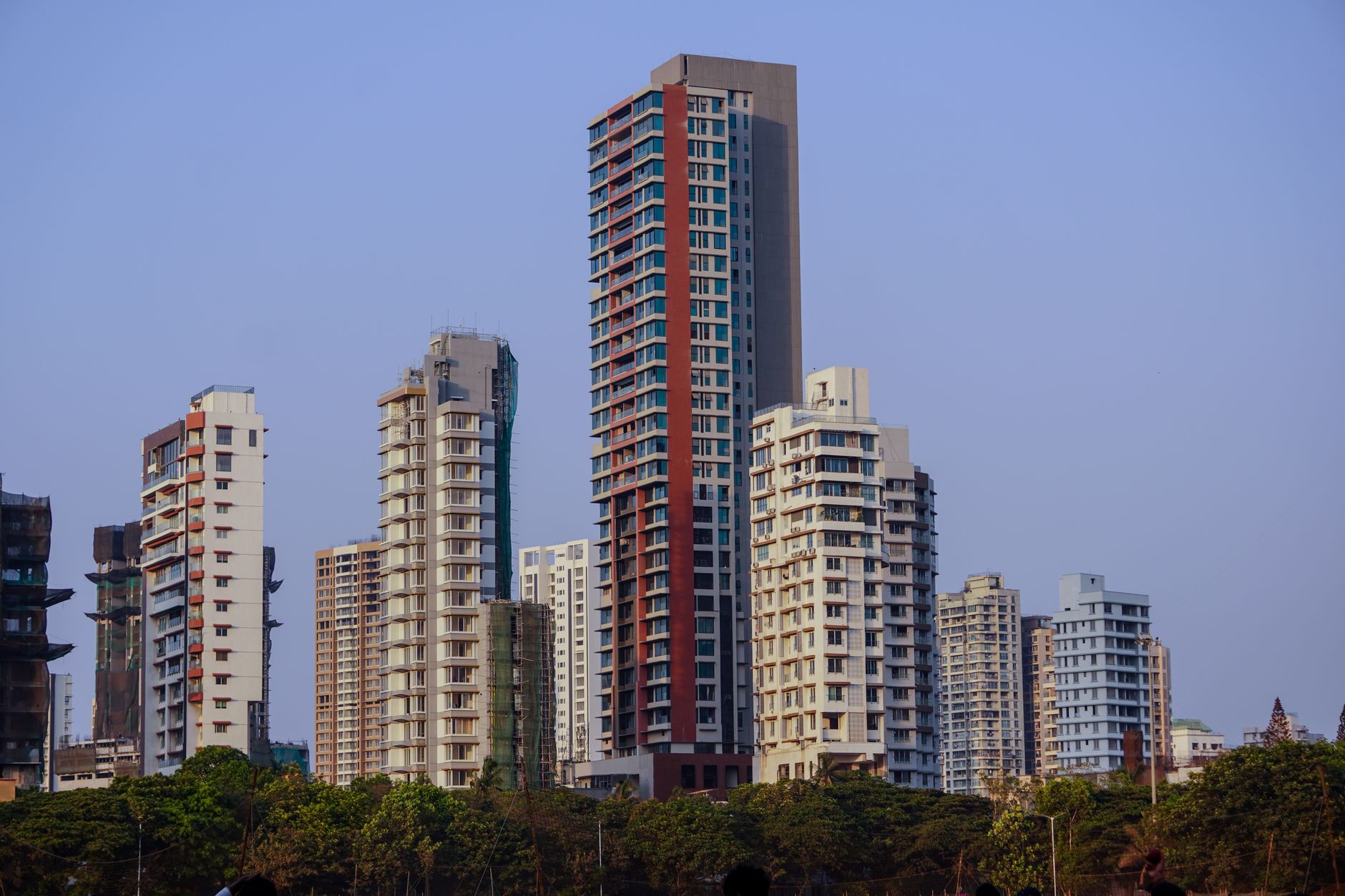
Writer and filmmaker Sooni Taraporevala says Mumbai’s long personal history and cultural mix continue to shape her work, including the adaptation of Aravind Adiga’s ‘Last Man in Tower’.
Sooni Taraporevala discusses adapting ‘Last Man in Tower’ and how Mumbai has shaped her writing, photography and films including ‘Yeh Ballet’.
Sooni Taraporevala’s 96-year-old father still lives in the Mumbai building where she grew up. For the writer and filmmaker, returning there means familiar staircases, a familiar gully and memories from her school-uniform years.
That personal map of the city runs through Taraporevala’s work, including the film adaptation of Aravind Adiga’s *Last Man in Tower*. Directed by Ben Rekhi, the film follows a housing committee facing redevelopment after one resident refuses a deal accepted by others.
Taraporevala said she began adapting the novel in 2013, shortly after its publication. She and Rekhi worked on the project for 13 years. Adiga was not involved in the screenplay, she said, as with Taraporevala’s earlier adaptations of Rohinton Mistry’s *Such A Long Journey* and Jhumpa Lahiri’s *The Namesake*.
Mumbai remains central to how she writes and photographs, Taraporevala said. After college in the US, she returned to the city after borrowing money from a roommate to buy her first camera, intending to photograph the place she had missed.
Taraporevala described Mumbai’s mix of communities as a defining quality. Her 2020 film *Yeh Ballet*, she said, included Hindu and Muslim characters whose backgrounds reflected the lives of the performers involved.
Latest stories
- Delhi’s last red DTC bus withdrawn for scrapping after 15 years
- GMDA hires consultant to link recycled-water pipelines in Gurugram
- Railway Board sanctions trains for Bengaluru Pink Line’s elevated section
- Khalin Joshi takes six-shot lead at Bengaluru Open halfway stage
- MCG gives 24 hours to clear debris from Gurugram public spaces
- Mumbai: S. J. Poddar Academy Grade 6 students curate Zoographia
- Marsh crocodile rescued from 8-foot electricity duct at Aarey Metro complex
- Western Railway says Mumbai division collected 5.2 tonnes in cleanliness drive
- Over 1,000 students exhibit work at Bengaluru children’s biennale
- Delhi to set up 110 collection centres for old and damaged idols
- Mumbai: Nani says The Paradise makers expected an A certificate
- Niranjan Hiranandani shows six-storey Malabar Hill home Kanta
- Mumbai chocolatier makes 75kg chocolate Ganesha idol for Pune
- Heavy vehicles barred on Varthur-Gunjur SH-35 during peak hours
- CSMT inspection: PAC seeks wider north-side entry for evening rush
- Bengaluru Airport T2 hosts ten-day Odia food festival
- Delhi sets up 78 artificial ponds for Ganpati visarjan
- Mahapanchayat backs Gurgaon road-collision accused; biker calls it an attempt to shift the narrative
- Bengaluru Cantonment station redevelopment expected by December 2026
- Railways approves ₹497 crore to double Chouk–Karjat line
Cities
- Delhi news
- Gurgaon news
- Noida news
- Greater Noida news
- Ghaziabad news
- Faridabad news
- Delhi NCR news
- Bengaluru news
- Mumbai news
- Navi Mumbai news
- Thane news
Sections
- Top Stories
- Latest
- Politics
- Governance
- Civic Issues
- Transport and Traffic
- Metro
- Roads and Infrastructure
- Weather and Air Quality
- Business and Startups
- Real Estate
- Education
- Health
- Environment
- Courts and Policy
- Safety
- Arts and Culture
- Events
- Things To Do
- Food and Drink
- New Openings
- Shopping
- Nightlife
- Neighbourhoods
- People
- Technology
- Sports
GTK covers the news, people, culture, neighbourhoods, civic life and food shaping India’s cities. Better Starts With Us.