Delhi marks Partition Remembrance Day with survivors’ stories at museum gathering
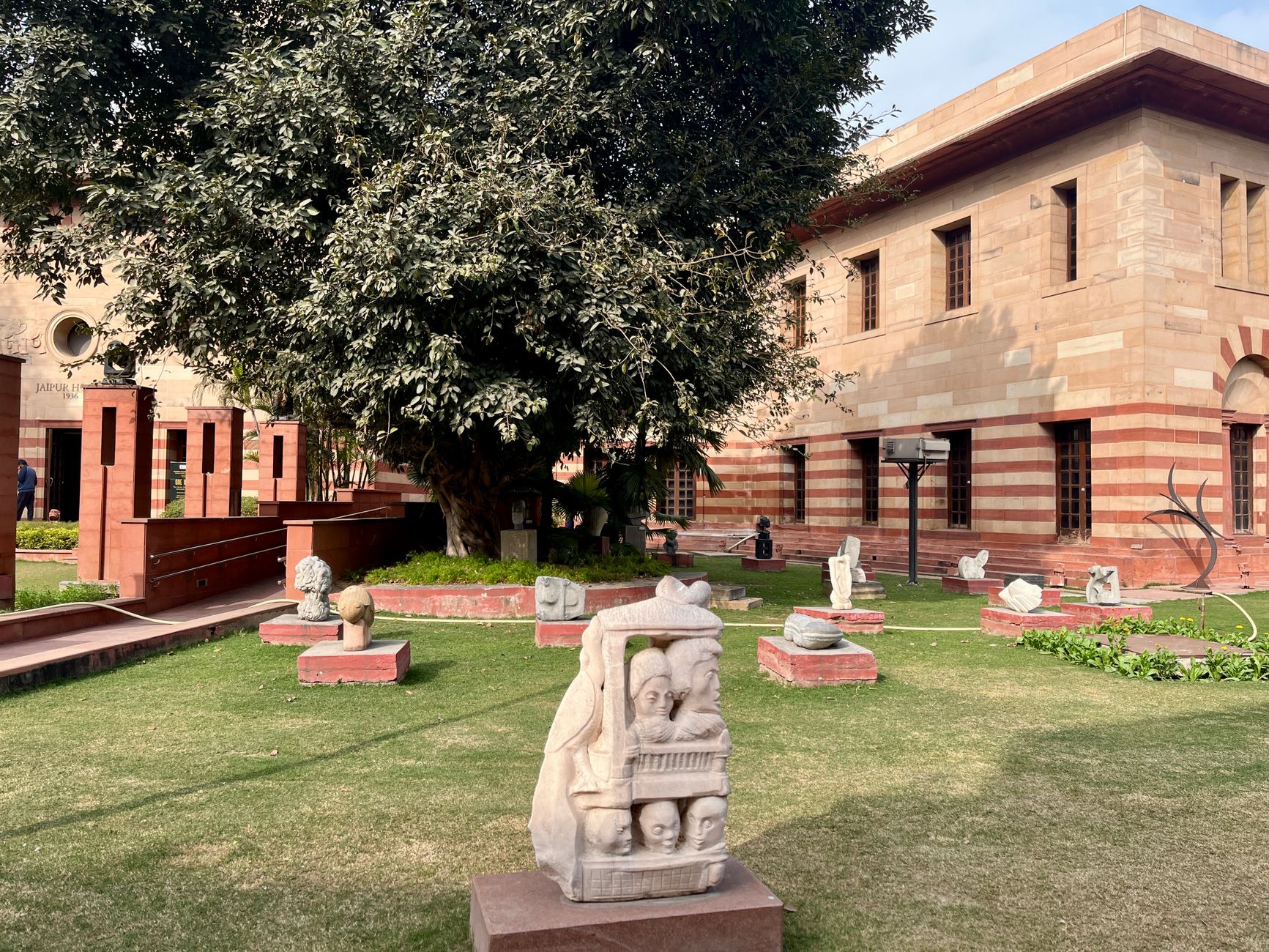
A gathering at the Partition Museum and Cultural Hub brought survivors and their families together to reflect on the displacement and rebuilding that reshaped Delhi after 1947.
The programme, held on the 79th anniversary of Partition, focused on neighbourhoods including Lajpat Nagar, Punjabi Bagh, Model Town and Khan Market, where many displaced families rebuilt their lives. Lieutenant Governor Taranjit Singh Sandhu sent a message citing health issues, while survivors and family members visited the museum’s visual exhibits.
Delhi’s post-Partition neighbourhoods took centre stage at a Partition Remembrance Day gathering on Friday, where survivors and their families revisited stories of displacement, loss and rebuilding.
The event was held at the Partition Museum and Cultural Hub inside the Dara Shikoh Library Building at Dr B.R. Ambedkar University Delhi. It marked the 79th anniversary of Partition and drew attention to localities including Lajpat Nagar, Punjabi Bagh, Model Town and Khan Market, which became home to many families arriving from what became Pakistan.
Lieutenant Governor Taranjit Singh Sandhu, who was due to attend as chief guest, sent a letter citing health issues. In it, he described Partition as the uprooting of millions and said Delhi still carries that history through neighbourhoods shaped by rehabilitation and resettlement.
Among those present was 84-year-old Jagmohan Bharadwaj, who left Sheikhupura district with his family as a child. Retired JNU professor Sudha Bhattacharya spoke of recording her parents’ memories after they began sharing them in 2002. Attendees later toured the museum’s visual exhibits. The commemoration follows Partition exhibitions at Rajiv Chowk and Kashmere Gate Metro.
Latest stories
- The Blondie House opens in Versova with coffee, matcha and all-day dining
- Delhi’s last red DTC bus withdrawn for scrapping after 15 years
- GMDA hires consultant to link recycled-water pipelines in Gurugram
- Railway Board sanctions trains for Bengaluru Pink Line’s elevated section
- Khalin Joshi takes six-shot lead at Bengaluru Open halfway stage
- MCG gives 24 hours to clear debris from Gurugram public spaces
- Mumbai: S. J. Poddar Academy Grade 6 students curate Zoographia
- Marsh crocodile rescued from 8-foot electricity duct at Aarey Metro complex
- Western Railway says Mumbai division collected 5.2 tonnes in cleanliness drive
- Over 1,000 students exhibit work at Bengaluru children’s biennale
- Delhi to set up 110 collection centres for old and damaged idols
- Mumbai: Nani says The Paradise makers expected an A certificate
- Niranjan Hiranandani shows six-storey Malabar Hill home Kanta
- Mumbai chocolatier makes 75kg chocolate Ganesha idol for Pune
- Heavy vehicles barred on Varthur-Gunjur SH-35 during peak hours
- CSMT inspection: PAC seeks wider north-side entry for evening rush
- Bengaluru Airport T2 hosts ten-day Odia food festival
- Delhi sets up 78 artificial ponds for Ganpati visarjan
- Mahapanchayat backs Gurgaon road-collision accused; biker calls it an attempt to shift the narrative
- Bengaluru Cantonment station redevelopment expected by December 2026
Cities
- Delhi news
- Gurgaon news
- Noida news
- Greater Noida news
- Ghaziabad news
- Faridabad news
- Delhi NCR news
- Bengaluru news
- Mumbai news
- Navi Mumbai news
- Thane news
Sections
- Top Stories
- Latest
- Politics
- Governance
- Civic Issues
- Transport and Traffic
- Metro
- Roads and Infrastructure
- Weather and Air Quality
- Business and Startups
- Real Estate
- Education
- Health
- Environment
- Courts and Policy
- Safety
- Arts and Culture
- Events
- Things To Do
- Food and Drink
- New Openings
- Shopping
- Nightlife
- Neighbourhoods
- People
- Technology
- Sports
GTK covers the news, people, culture, neighbourhoods, civic life and food shaping India’s cities. Better Starts With Us.