Mumbai: BMC plans 10 pollution hotspots per ward as Worli AQI hits 169
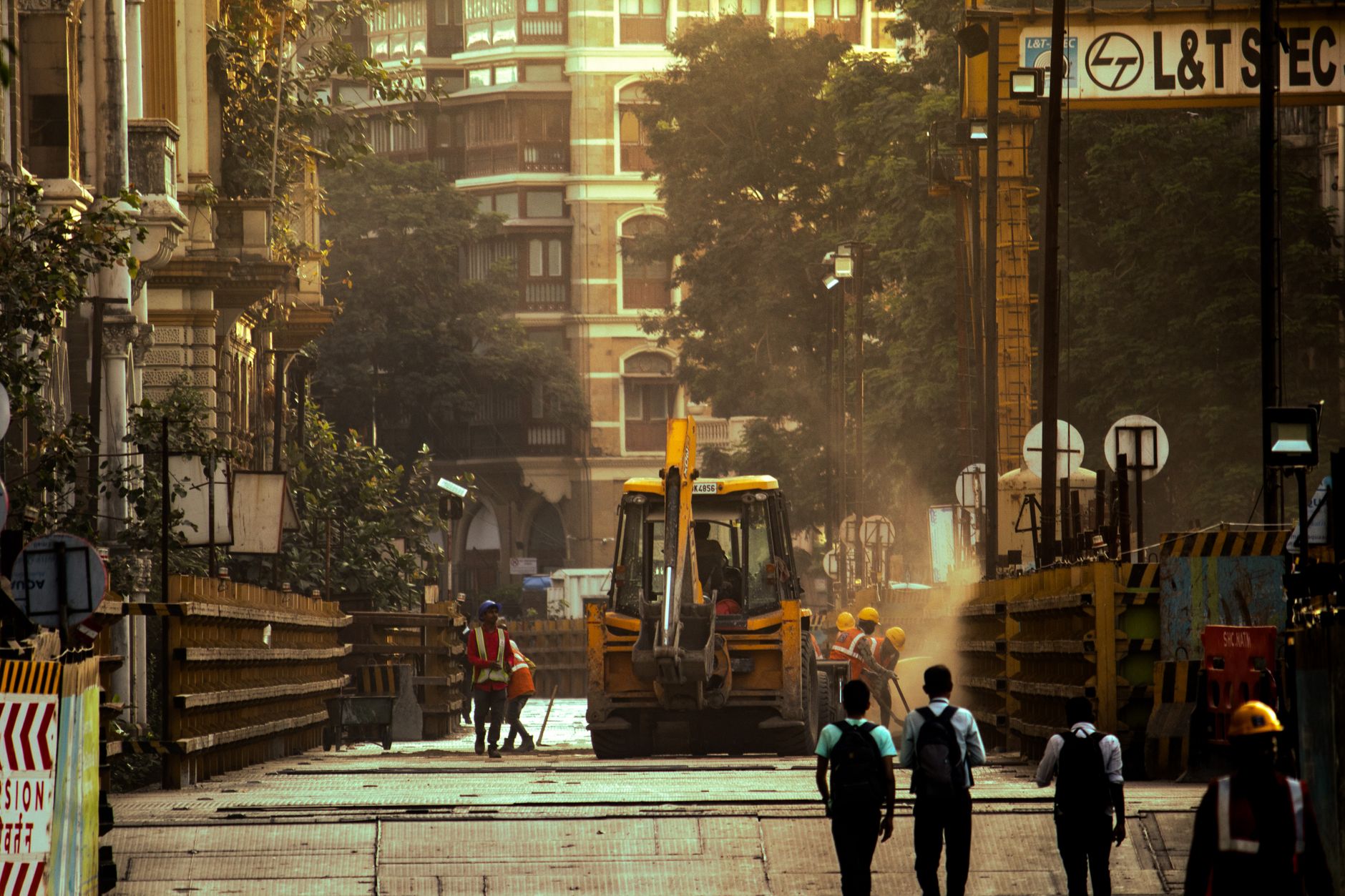
Mumbai’s civic body will begin a post-monsoon road-cleaning drive and step up checks on construction dust, debris transport, waste burning and smoky vehicles.
Worli’s AQI reached 169 on October 2 as the BMC’s post-monsoon plan required every ward to identify 10 pollution hotspots.
Worli recorded an AQI of 169 on October 2, while Mumbai’s citywide reading rose by 31 points in 24 hours to 110.
The BMC has prepared a 2026 air-pollution control and enforcement plan for the post-monsoon period, when construction activity resumes and drier conditions can worsen dust pollution. Each ward must identify at least 10 hotspots, including major construction and redevelopment sites, infrastructure works, debris-dumping locations, open waste-burning sites and traffic bottlenecks. A designated officer will monitor each site.
Construction and demolition sites will face checks under the civic body’s 28-point guidelines. Enforcement teams must inspect at least two sites each day. Violations can draw show-cause notices, stop-work orders or sealing. Demolition sites must use barricades, cover debris and use continuous misting to control dust. The measures build on the BMC’s earlier requirement for pollution undertakings in building approvals.
A deep-cleaning drive covering major roads, medians, junctions and road edges is scheduled for the first two weeks of October. The BMC will also track covered debris vehicles through its debris-control system and conduct PUC checks on busy routes. If a monitoring station records an AQI above 300 for three consecutive days, polluting activity within 2 km may be suspended.
Latest stories
- Lokayukta flags waste dumping in Indiranagar, issues notices to civic officials
- Delhi events on October 4: Euphoria, dance and a book exchange
- Bengaluru railway passengers can now pay RPF penalties by card or UPI
- KSR Bengaluru station holds Gandhi Jayanti cleanliness drive
- Bengaluru Jatre plans 10 days of free cultural events from December 4
- Noida’s Aarohee Sharma wins two titles at Gurugram U-12 tennis event
- Mumbai Oktoberfest events: Chembur Mugtober Fest and Lower Parel brunch
- Delhi removes local-need test for private-school recognition
- Powai: Arbaaz Khan sidesteps question on Salman Khan’s trolling remarks
- Colaba hits 37.4°C, its hottest October day in at least 13 years
- DU’s Avasar placement and internship fair is set for October 7 in North Campus
- 78 GPHG-nominated watches go on display at The St Regis Mumbai
- Delhi’s K-culture fans mark Chuseok with games, calligraphy and songpyeon
- Mumbai: BMC plans 10 pollution hotspots per ward as Worli AQI hits 169
- Bengaluru shooter Tilottama Sen takes Asian Games team silver
- Thane hosts launch of Maha R-PET plastic-recycling programme
- Archana Puran Singh’s family shows new Madh Island bungalow
- Delhi designer Shweta Kapur opens Apartment-88 for 431-88
- Five Mumbai food plans: Parel bar crawl, Khar West wok and more
- Thane police sub-inspector Sneha Karnale wins national silver in bodybuilding
Cities
- Delhi news
- Gurgaon news
- Noida news
- Greater Noida news
- Ghaziabad news
- Faridabad news
- Delhi NCR news
- Bengaluru news
- Mumbai news
- Navi Mumbai news
- Thane news
Sections
- Top Stories
- Latest
- Politics
- Governance
- Civic Issues
- Transport and Traffic
- Metro
- Roads and Infrastructure
- Weather and Air Quality
- Business and Startups
- Real Estate
- Education
- Health
- Environment
- Courts and Policy
- Safety
- Arts and Culture
- Events
- Things To Do
- Food and Drink
- New Openings
- Shopping
- Nightlife
- Neighbourhoods
- People
- Technology
- Sports
GTK covers the news, people, culture, neighbourhoods, civic life and food shaping India’s cities. Better Starts With Us.