Delhi removes local-need test for private-school recognition
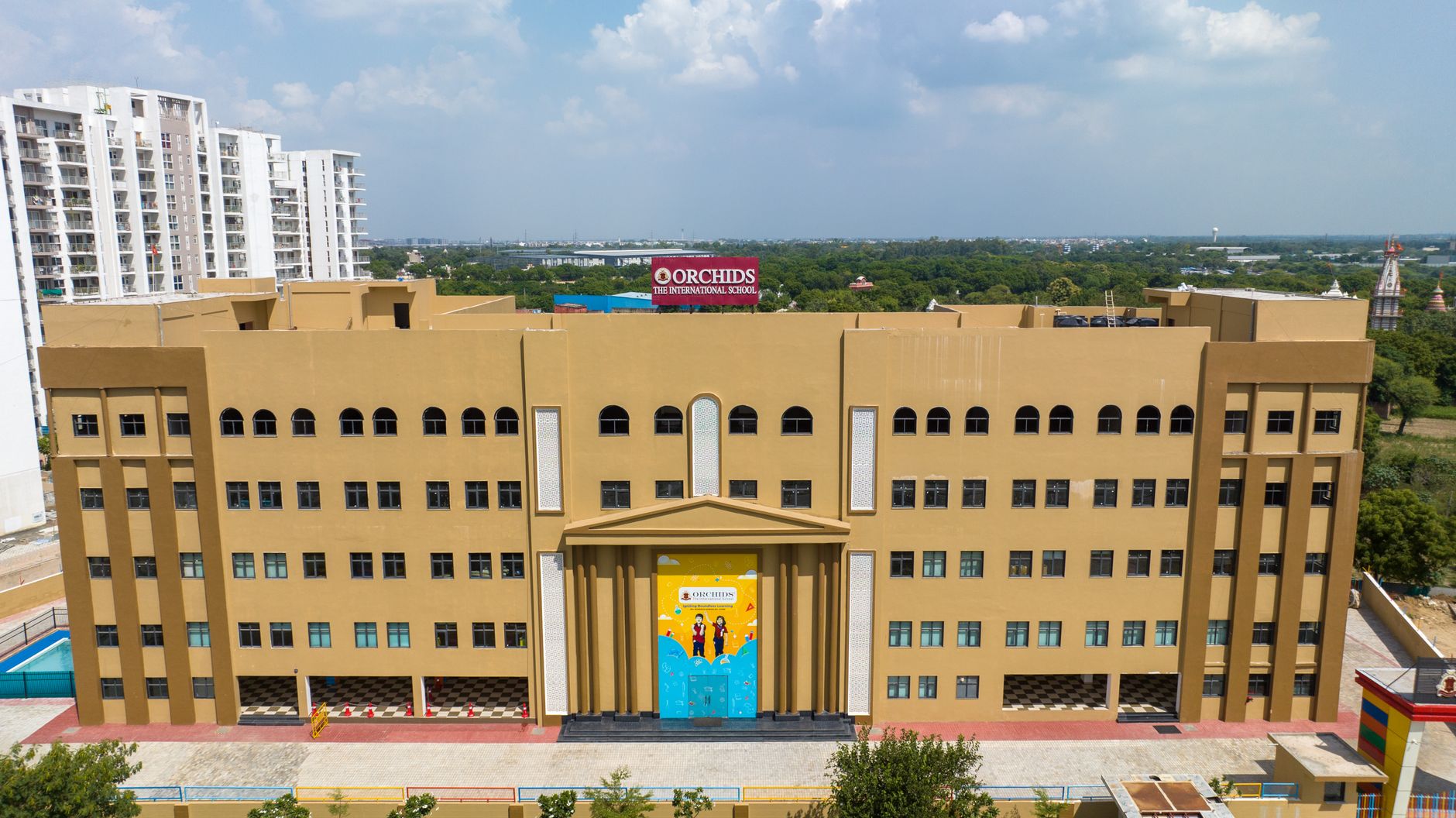
Private schools will no longer need to show unmet local need or that they will not affect enrolment at nearby recognised schools.
Delhi has removed the local-need and nearby-enrolment test for private-school recognition, while retaining other compliance requirements.
A proposed private school in Delhi will no longer need to demonstrate that it meets an unmet need in its neighbourhood before it can be recognised.
The Delhi School Education (Amendment) Rules, 2026, issued on September 30 and published on October 1, remove Rule 50(ii). The provision had required a school seeking recognition to show local need and demonstrate that it was unlikely to reduce enrolment at an already recognised school nearby.
Recognition is not automatic. Requirements related to management, instruction, infrastructure and compliance with education rules remain in place.
The amended Rule 44(3) retains the Administrator’s power to examine a proposed school and decide whether it serves the public interest. That check will not apply when a society or public trust proposes a school on privately owned commercial land, subject to other applicable rules.
A society or trust seeking institutional land from the government or a municipal corporation, whether at a concessional rate or through auction, must still obtain an Essentiality Certificate before purchase or allotment. The certificate will assess whether the school is needed in that locality.
Delhi had earlier removed the fixed land-size condition for private-school recognition, covered in August.
Latest stories
- Lokayukta flags waste dumping in Indiranagar, issues notices to civic officials
- Delhi events on October 4: Euphoria, dance and a book exchange
- Bengaluru railway passengers can now pay RPF penalties by card or UPI
- KSR Bengaluru station holds Gandhi Jayanti cleanliness drive
- Bengaluru Jatre plans 10 days of free cultural events from December 4
- Noida’s Aarohee Sharma wins two titles at Gurugram U-12 tennis event
- Mumbai Oktoberfest events: Chembur Mugtober Fest and Lower Parel brunch
- Delhi removes local-need test for private-school recognition
- Powai: Arbaaz Khan sidesteps question on Salman Khan’s trolling remarks
- Colaba hits 37.4°C, its hottest October day in at least 13 years
- DU’s Avasar placement and internship fair is set for October 7 in North Campus
- 78 GPHG-nominated watches go on display at The St Regis Mumbai
- Delhi’s K-culture fans mark Chuseok with games, calligraphy and songpyeon
- Mumbai: BMC plans 10 pollution hotspots per ward as Worli AQI hits 169
- Bengaluru shooter Tilottama Sen takes Asian Games team silver
- Thane hosts launch of Maha R-PET plastic-recycling programme
- Archana Puran Singh’s family shows new Madh Island bungalow
- Delhi designer Shweta Kapur opens Apartment-88 for 431-88
- Five Mumbai food plans: Parel bar crawl, Khar West wok and more
- Thane police sub-inspector Sneha Karnale wins national silver in bodybuilding
Cities
- Delhi news
- Gurgaon news
- Noida news
- Greater Noida news
- Ghaziabad news
- Faridabad news
- Delhi NCR news
- Bengaluru news
- Mumbai news
- Navi Mumbai news
- Thane news
Sections
- Top Stories
- Latest
- Politics
- Governance
- Civic Issues
- Transport and Traffic
- Metro
- Roads and Infrastructure
- Weather and Air Quality
- Business and Startups
- Real Estate
- Education
- Health
- Environment
- Courts and Policy
- Safety
- Arts and Culture
- Events
- Things To Do
- Food and Drink
- New Openings
- Shopping
- Nightlife
- Neighbourhoods
- People
- Technology
- Sports
GTK covers the news, people, culture, neighbourhoods, civic life and food shaping India’s cities. Better Starts With Us.