Mumbai redevelopment pipeline may add nearly 59,000 homes by 2031
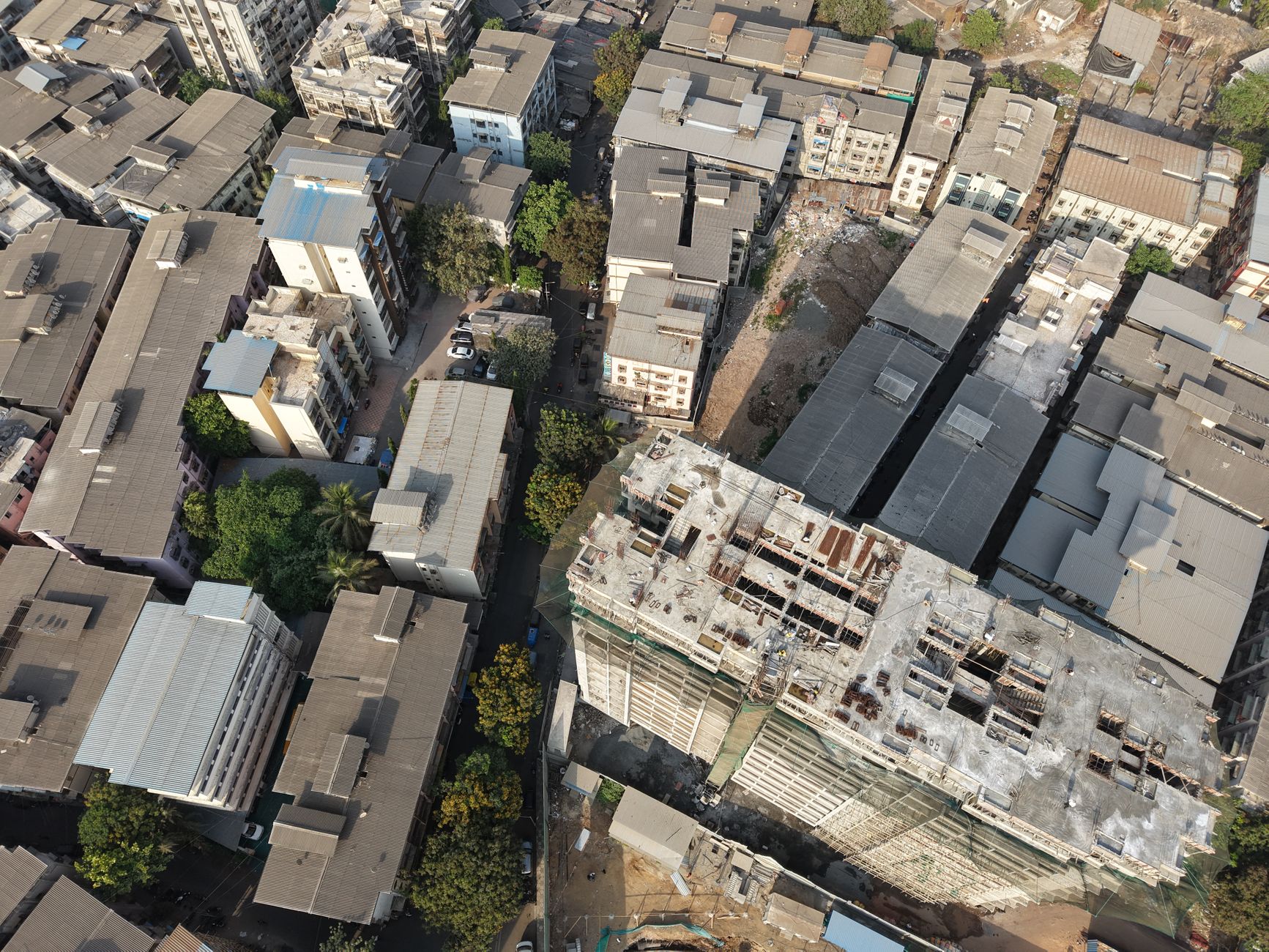
Development agreements signed since 2020 could unlock homes valued at about ₹1.5 lakh crore in a city where more than 70% of land is already built up.
Knight Frank estimates that 1,094 development agreements covering about 432 acres were signed in Mumbai between January 2020 and March 2026. The resulting redevelopment pipeline could produce nearly 59,000 homes by 2031, though approvals, rehabilitation obligations and fragmented ownership remain major hurdles.
Mumbai’s redevelopment pipeline could produce nearly 59,000 homes worth about ₹1.5 lakh crore by 2031, according to Knight Frank, as developers turn to existing housing stock in a city where more than 70% of land is already built up.
Knight Frank recorded 1,094 development agreements covering around 432 acres signed between January 2020 and March 2026. For residents of older buildings, redevelopment can mean a new home in the same neighbourhood; for developers, it provides access to established micro-markets where large vacant parcels are scarce.
Developers are using joint ventures, society redevelopment, landowner partnerships and structured development agreements alongside outright land purchases. These arrangements can reduce upfront land costs and draw on local experience in navigating Mumbai’s development process.
The agreements do not guarantee completed homes. High land costs, lengthy approval processes, rehabilitation commitments and fragmented ownership can delay or reshape projects. Developers must also respond to demand for larger homes, better design and amenities in well-connected locations.
Whether the projected supply reaches the market by 2031 will depend on approvals and coordination among societies, landowners, developers and government agencies.
Latest stories
- Delhi’s last red DTC bus withdrawn for scrapping after 15 years
- GMDA hires consultant to link recycled-water pipelines in Gurugram
- Railway Board sanctions trains for Bengaluru Pink Line’s elevated section
- Khalin Joshi takes six-shot lead at Bengaluru Open halfway stage
- MCG gives 24 hours to clear debris from Gurugram public spaces
- Mumbai: S. J. Poddar Academy Grade 6 students curate Zoographia
- Marsh crocodile rescued from 8-foot electricity duct at Aarey Metro complex
- Western Railway says Mumbai division collected 5.2 tonnes in cleanliness drive
- Over 1,000 students exhibit work at Bengaluru children’s biennale
- Delhi to set up 110 collection centres for old and damaged idols
- Mumbai: Nani says The Paradise makers expected an A certificate
- Niranjan Hiranandani shows six-storey Malabar Hill home Kanta
- Mumbai chocolatier makes 75kg chocolate Ganesha idol for Pune
- Heavy vehicles barred on Varthur-Gunjur SH-35 during peak hours
- CSMT inspection: PAC seeks wider north-side entry for evening rush
- Bengaluru Airport T2 hosts ten-day Odia food festival
- Delhi sets up 78 artificial ponds for Ganpati visarjan
- Mahapanchayat backs Gurgaon road-collision accused; biker calls it an attempt to shift the narrative
- Bengaluru Cantonment station redevelopment expected by December 2026
- Railways approves ₹497 crore to double Chouk–Karjat line
Cities
- Delhi news
- Gurgaon news
- Noida news
- Greater Noida news
- Ghaziabad news
- Faridabad news
- Delhi NCR news
- Bengaluru news
- Mumbai news
- Navi Mumbai news
- Thane news
Sections
- Top Stories
- Latest
- Politics
- Governance
- Civic Issues
- Transport and Traffic
- Metro
- Roads and Infrastructure
- Weather and Air Quality
- Business and Startups
- Real Estate
- Education
- Health
- Environment
- Courts and Policy
- Safety
- Arts and Culture
- Events
- Things To Do
- Food and Drink
- New Openings
- Shopping
- Nightlife
- Neighbourhoods
- People
- Technology
- Sports
GTK covers the news, people, culture, neighbourhoods, civic life and food shaping India’s cities. Better Starts With Us.