Delhi-NCR artist Vibhav Kapoor makes wet-plate tintype portraits
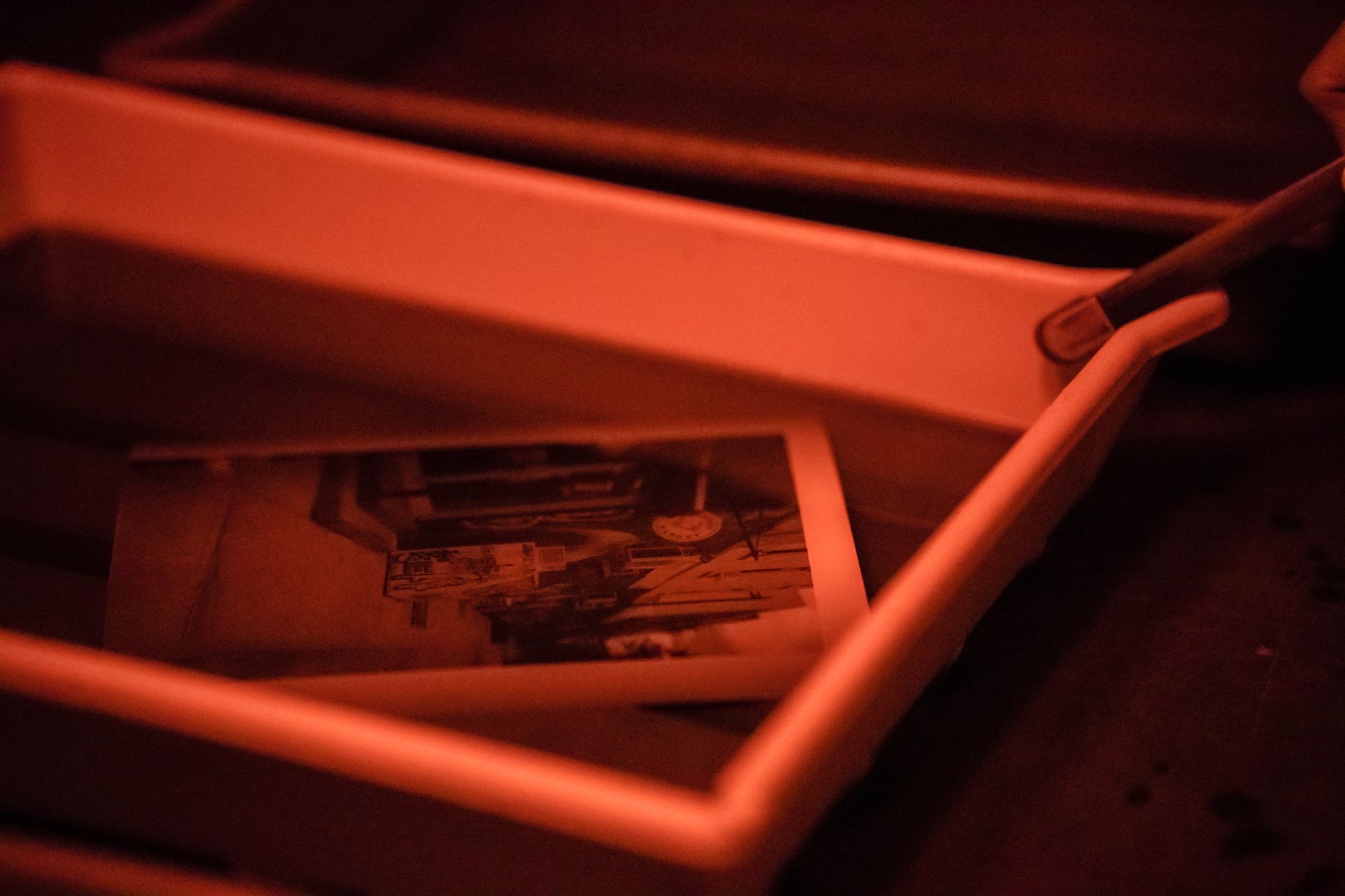
Artist and teacher Vibhav Kapoor is working with tintype, a 19th-century photographic process that turns a sitting, chemistry and a metal plate into a one-off portrait.
Kapoor’s Delhi-NCR practice uses the wet-plate tintype method, in which a photograph is made directly on a dark metal plate rather than from a negative. The process requires subjects to remain still for eight to 10 seconds, while humidity and dust can alter the final image.
Vibhav Kapoor makes portraits on metal plates at his Delhi-NCR studio. The artist and assistant professor at O.P. Jindal Global University in Sonipat uses tintype, a 19th-century process that produces a positive image directly on a dark plate.
Kapoor coats each plate with collodion, sensitises it in a silver-nitrate bath and exposes it through a large-format camera. He must develop and fix the plate while it is still wet, leaving no negative from which to make simple reprints. A finished image emerges in about 10 to 15 minutes.
The process asks sitters to hold still for eight to 10 seconds while the plate records light. Kapoor said the sitting involves the person presenting themselves for the camera.
Humidity can affect the chemistry, Kapoor said, while dust settling on the wet collodion layer can change how parts of an image develop. Tintypes were once valued as a relatively inexpensive and durable alternative to daguerreotypes.
Latest stories
- Delhi-NCR artist Vibhav Kapoor makes wet-plate tintype portraits
- Bengaluru hosts All India LIC Games at Sree Kanteerava Stadium
- Mumbai: Western Railway clears nearly 8 tonnes of waste
- Gurfateh Pirzada’s Mumbai home pairs charcoal walls with a lime-green coffee table
- Gurgaon recorded six poor or very poor air days in September
- Noida: Wrong-way three-wheelers use Botanical Garden approach
- Delhi: Barapullah Phase-III flyover sees 70–100 minute delays
- Mumbai: 125 NSS volunteers hold peace march from Valia College
- Kanteerava Studio Road cavity filled; asphalt work planned
- Uttar Pradesh district cuisines to debut at IITF 2026 in Delhi
- Ghaziabad-set Bakaiti Season 2 puts Kataria siblings in one room
- Greater Noida to host ₹2 crore Kapil Dev Invitational golf event
- Thane’s Lokshahi Din is set for November 2; applications close October 19
- In-Conversation with Subir Malik – “We started Parikrama 35 years old as a bunch of young kids who love rock and roll and we are still those kids…”
- Humayunpur, Long Before the Hashtags
- Bengaluru logged 111.1 mm rain during Karnataka’s 2024 monsoon onset
- Fitour opens 14-seat, 18-course tasting menu in Bandra
- Mumbai to host Kia Tennis Premier League Season 8 auction on October 12
- At a Mumbai event, Vidyut Jammwal describes the discipline of Hollywood sets
- The Writing on the Wall and Small Defiances in Bengaluru
Cities
- Delhi news
- Gurgaon news
- Noida news
- Greater Noida news
- Ghaziabad news
- Faridabad news
- Delhi NCR news
- Bengaluru news
- Mumbai news
- Navi Mumbai news
- Thane news
Sections
- Top Stories
- Latest
- Politics
- Governance
- Civic Issues
- Transport and Traffic
- Metro
- Roads and Infrastructure
- Weather and Air Quality
- Business and Startups
- Real Estate
- Education
- Health
- Environment
- Courts and Policy
- Safety
- Arts and Culture
- Events
- Things To Do
- Food and Drink
- New Openings
- Shopping
- Nightlife
- Neighbourhoods
- People
- Technology
- Sports
GTK covers the news, people, culture, neighbourhoods, civic life and food shaping India’s cities. Better Starts With Us.