IIT Roorkee study flags site-specific risks to Delhi monuments
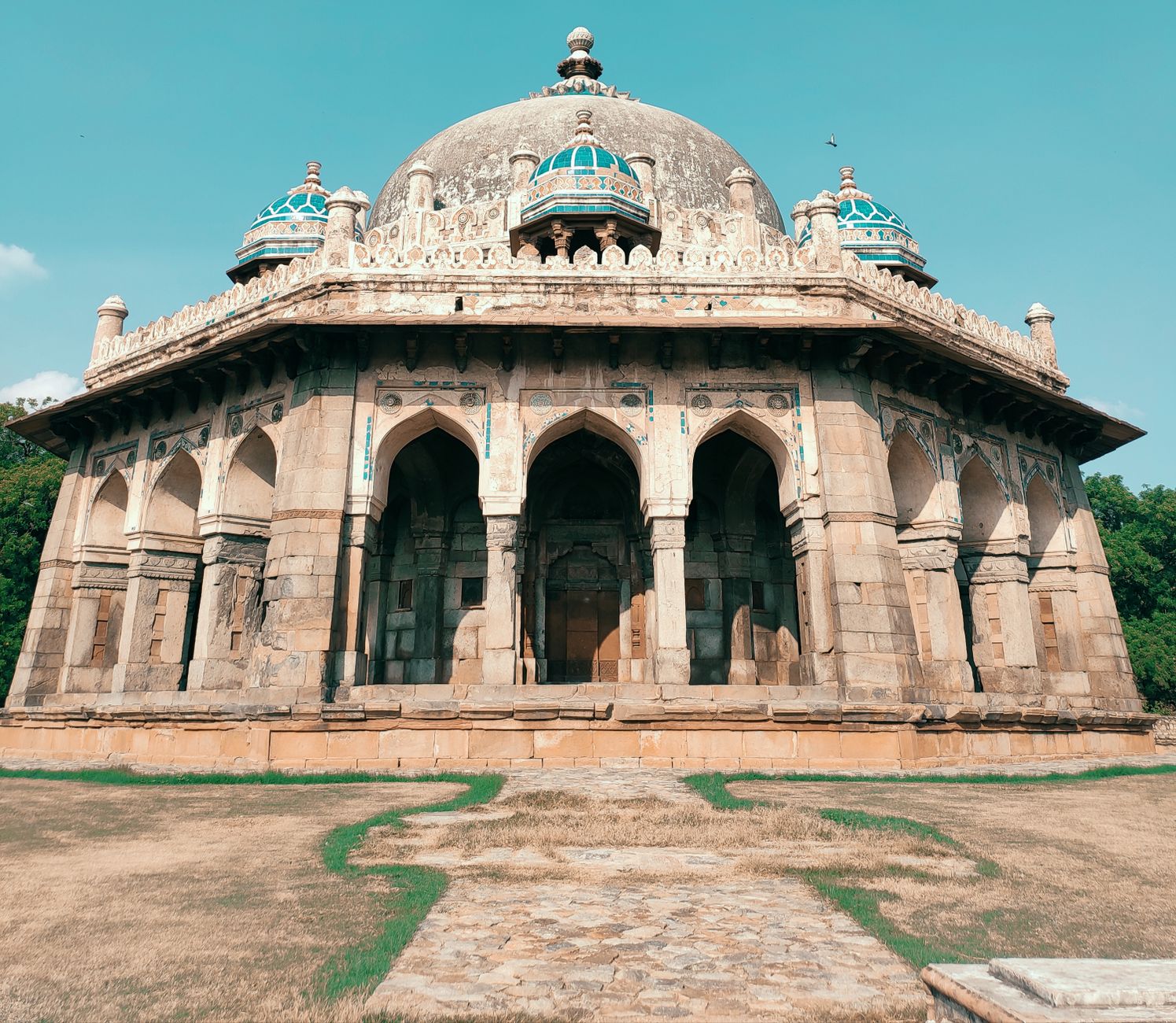
A study of nine centrally protected Delhi monuments says the same fixed buffer rules are being applied to sites facing very different pressures.
An IIT Roorkee study of nine protected Delhi monuments calls for site-specific controls on construction, drainage and encroachment risks.
Delhi’s protected monuments are subject to the same 100-metre prohibited zone and 200-metre regulated zone, even though the pressures around them differ sharply.
An IIT Roorkee study of nine centrally protected monuments found that infrastructure around the Nizamuddin Basti group of monuments is affecting the Barapullah Drain, an old tributary the study identifies as a key natural feature of the site. The researchers classified the impact of large-scale works, including a flyover, as long-term and irreversible. They also identified encroachment and changes in surrounding land use as high-priority risks.
At Uggar Sain’s Baoli, the study identified excavation for building foundations as a continuing risk to its water-retaining structure. It said high-rise construction could also alter views of the monument. Hauz Khas is already densely built around its protected area, with restaurants and bars among the nearby commercial uses.
Only four of the nine monuments studied have notified heritage bye-laws; the rest remain at the draft or consultation stage. The researchers proposed a value-based matrix to assess a threat’s likelihood, duration and reversibility, and recommended that controls such as building-height and facade rules respond to each site’s setting.
Latest stories
- Delhi: Bombay Rockers’ Naf on the ‘Ari Ari’ remake and new music
- Gurugram RWA ordered to allow EWS residents into Mahindra Aura’s park and common pathways
- Gurugram expects first 40 electric buses in early October
- Army officer seeks review of proposed C&D waste centre in Gurugram’s Sector 106
- IIT Roorkee study flags site-specific risks to Delhi monuments
- Bandra’s Prahlad Kakar revisits his ad career in new memoir
- Gaurav Taneja denies neglect claims over death of pet dog Mau at Delhi farmhouse
- SWR finds Bengaluru railway water samples fit in September checks
- 47 farm fires recorded as Delhi nears winter pollution season
- Greater Noida trade show features firefighting suit and handwoven crafts
- Karnataka sets up daily group to track power supply and demand
- MCD tells Delhi High Court it demolished 543 properties in 17 days after Satya Niketan collapse
- Delhi High Court orders removal of AI-generated protest image
- Gurugram: Potholes, parked cars narrow Sirhaul-Kapashera road
- Delhi EWS school admissions move to document verification after draw
- Delhi: Baansera to host Rang Ras Rooh festival on September 26-27
- Delhi Ramlila committees plan LED staging and Tulsi drive for October
- Gurugram SPR water supply to be partly shut for 48 hours from September 30
- Delhi says Mission Green Delhi has reached its 70 lakh-sapling target
- Shatarupa Bhattacharyya’s Silvatein moves from Bengaluru stage to the page
Cities
- Delhi news
- Gurgaon news
- Noida news
- Greater Noida news
- Ghaziabad news
- Faridabad news
- Delhi NCR news
- Bengaluru news
- Mumbai news
- Navi Mumbai news
- Thane news
Sections
- Top Stories
- Latest
- Politics
- Governance
- Civic Issues
- Transport and Traffic
- Metro
- Roads and Infrastructure
- Weather and Air Quality
- Business and Startups
- Real Estate
- Education
- Health
- Environment
- Courts and Policy
- Safety
- Arts and Culture
- Events
- Things To Do
- Food and Drink
- New Openings
- Shopping
- Nightlife
- Neighbourhoods
- People
- Technology
- Sports
GTK covers the news, people, culture, neighbourhoods, civic life and food shaping India’s cities. Better Starts With Us.